Introduction
Warehouse space often runs out as inventory keeps growing. Expanding a building takes time, money, and permits. Many companies instead use vertical space inside the warehouse. A Mezzanine Rack System creates additional storage levels without changing the building footprint. It helps organize inventory, improve workflow, and increase storage capacity. In this article, we explore the key advantages and features of a Mezzanine Rack System, and how it supports efficient warehouse operations and long-term business growth.
Core Advantages of a Mezzanine Rack System for Warehouse Optimization
Maximizing Vertical Space for Higher Storage Capacity
A Mezzanine Rack System allows warehouses to transform unused vertical air space into valuable storage areas. Many facilities have high ceilings but only use the ground level. Installing mezzanine racks adds extra floors where goods, parts, or equipment can be stored. This approach can greatly increase storage density within the same building footprint. Instead of relocating to a larger facility, companies can simply expand upward. It is especially effective for distribution centers that manage small to medium inventory items and need more storage zones.
Cost-Effective Alternative to Building Expansion
Expanding warehouse space often requires major capital investments. Land purchase, construction permits, and structural modifications can quickly increase costs. A Mezzanine Rack System provides a more affordable alternative. It adds new storage levels without rebuilding the facility. Companies can improve storage capacity while keeping their current location. Installation costs are typically much lower than building expansion projects. Businesses also avoid operational interruptions caused by construction activities.
Improving Operational Workflow and Productivity
Efficient warehouse workflow depends on clear zoning, structured storage, and optimized material flow. A Mezzanine Rack System enables businesses to divide operations vertically, reduce travel distance, and organize inventory more systematically. When properly designed, it improves picking speed, reduces congestion, and increases throughput across warehouse operations.
| Operational Aspect | Application in Mezzanine Rack System | Typical Technical Parameters / Data | Practical Implementation | Key Considerations |
| Storage Zoning | Inventory divided across multiple mezzanine levels | Manual picking aisle width typically 900–1200 mm; shelf depth commonly 400–600 mm | High-turnover SKUs placed on lower levels; slow-moving items on upper levels | Maintain clear aisle access for picking carts and workers |
| Order Picking Efficiency | Multi-level picking zones support simultaneous picking | Manual picking productivity typically 60–120 order lines/hour per worker | Install shelving racks on mezzanine platforms for parallel picking areas | Clear product labeling and zone identification reduce errors |
| Worker Travel Distance | Vertical storage reduces horizontal walking distance | Optimized layouts can reduce worker travel distance by 20–40% (industry benchmarks) | Group related SKUs within the same mezzanine zone | Use warehouse management systems to optimize pick paths |
| Inventory Visibility | Structured rack levels improve SKU classification | Shelf load capacity typically 300–800 kg per level depending on rack design | Separate products by category, size, or demand frequency | Maintain barcode scanning and digital inventory tracking |
| Order Processing Flow | Separate picking, packing, and staging functions | Mezzanine floor live load commonly 300–500 kg/m² depending on design standards | Upper levels used for storage and picking; ground level for packing and shipping | Structural load design must match operational requirements |
| Material Movement | Integrated conveyors or vertical lifts between levels | Conveyor speed typically 20–60 m/min; VRC lift capacity 500–2000 kg depending on equipment | Install conveyors, chutes, or vertical reciprocating conveyors for product movement | Ensure safety gates and controlled transfer points |
| Operational Throughput | Multiple workers operate on different levels simultaneously | Multi-level systems may support 2–3× more pickers compared with single-level storage | Assign teams to dedicated mezzanine picking zones | Coordinate operations through WMS or order batching systems |
Tip:When implementing multi-level picking with a Mezzanine Rack System, combining the layout with a Warehouse Management System (WMS) can significantly improve picking accuracy and reduce travel time by automatically guiding workers through optimized picking routes.
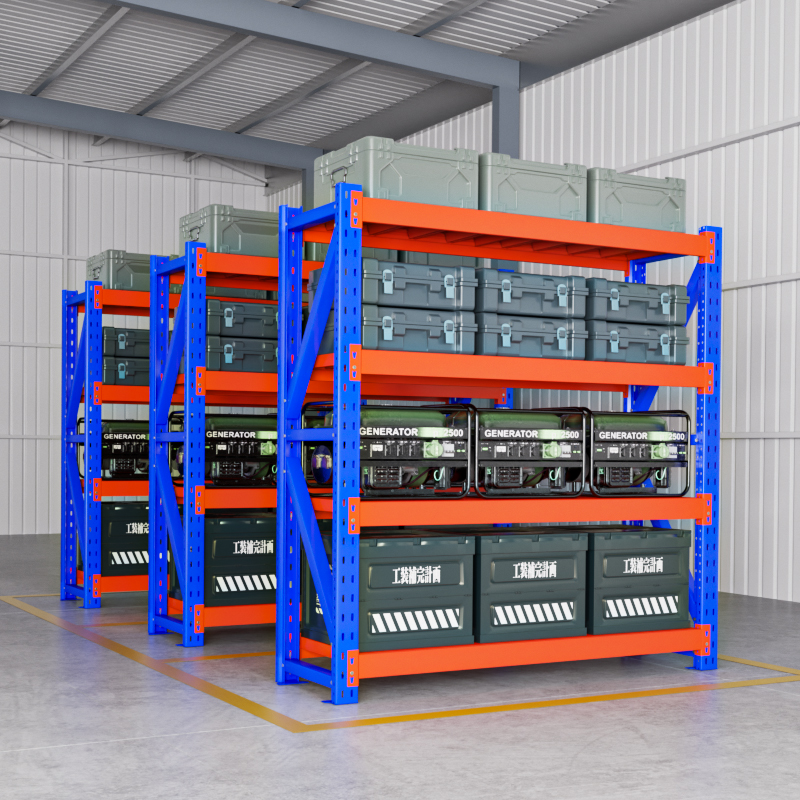
Key Structural Features of a Mezzanine Rack System
Durable Steel Construction and High Load Capacity
Industrial Mezzanine Rack Systems are usually manufactured from structural steel such as ASTM A36 or similar grades, which provide high strength and stability under heavy loads. Columns, beams, and decking are engineered to distribute weight evenly across the structure. Typical mezzanine platforms are designed for floor loads ranging from 300–1000 kg/m², depending on storage requirements. Protective finishes such as powder coating or galvanized treatments help resist corrosion and surface wear. This combination of structural strength and protective finishing ensures reliable long-term performance in demanding warehouse environments.
Multi-Level Design for Flexible Storage Expansion
A Mezzanine Rack System allows facilities to create layered storage zones that improve vertical space utilization. Platforms can be built with one to several levels, depending on building height and operational requirements. Warehouses with ceiling heights above 6–10 meters often benefit most from multi-tier structures. Each level can support different activities such as picking, packing, or storage, while maintaining clear circulation paths below. This vertical organization helps companies increase storage density without expanding the building footprint and allows better management of diverse inventory categories.
Integrated Access Systems for Smooth Material Handling
Efficient movement between levels is essential in a Mezzanine Rack System, which is why access solutions are integrated during the design stage. Standard systems include staircases designed with tread widths around 800–1000 mm and guardrails that meet industrial safety standards. For material transfer, warehouses may install conveyors, pallet drop zones, or vertical reciprocating conveyors capable of lifting 500–2000 kg loads. These systems allow goods to move quickly between floors while reducing manual handling. Well-planned access infrastructure helps maintain safe traffic flow and improves overall operational efficiency.
Customization and Design Flexibility of Mezzanine Rack Systems
Tailored Layouts to Match Warehouse Space
A Mezzanine Rack System is typically engineered after a detailed site assessment that evaluates ceiling height, floor load capacity, and material handling flow. Designers calculate column spacing, often ranging from 3–6 meters, to balance structural stability and open floor access. Layout planning also considers forklift turning radius, picking aisle width, and emergency access paths. By aligning the mezzanine structure with the building grid and workflow routes, warehouses can maximize usable storage volume while maintaining efficient movement of goods and personnel across multiple operational zones.
Multiple Structural Configurations
A Mezzanine Rack System can adopt several structural forms depending on operational requirements and existing infrastructure. Free-standing mezzanines rely on independent steel columns and are ideal for flexible warehouse layouts. Rack-supported systems use pallet racks as the primary support structure, combining storage and platform levels in one system. Shelving-supported mezzanines integrate light-duty shelving units to support upper floors for small parts storage. Each configuration is engineered based on load distribution, column spacing, and platform load ratings, ensuring stable performance and optimal space utilization in industrial environments.
Scalable Design That Grows with Business Needs
The modular architecture of a Mezzanine Rack System allows warehouses to expand storage capacity without major reconstruction. Standardized steel beams, decking panels, and bolt connections enable additional bays or floors to be integrated into the existing structure. Expansion planning typically considers future load capacity, access points, and material handling equipment such as conveyors or lifts. By designing for scalability from the beginning, facilities can gradually increase storage density and operational capacity while maintaining structural integrity and minimizing disruption to ongoing warehouse activities.
Safety and Accessibility Features of a Mezzanine Rack System
Built-In Safety Rails and Guard Systems
A Mezzanine Rack System is typically designed with safety rail systems that meet industrial safety standards such as OSHA guidelines for elevated platforms. Guardrails are commonly installed at heights of 1000–1100 mm, with intermediate rails and toe boards of about 100–150 mm to prevent tools or materials from falling. These safety structures clearly define walkways and work zones while providing reliable fall protection. In addition, properly positioned stair railings and access gates guide worker movement and reduce the risk of accidental slips or missteps during daily warehouse operations.
Anti-Slip Flooring and Secure Decking Materials
Decking materials used in a Mezzanine Rack System must provide both structural strength and surface stability. Common flooring options include steel bar grating, checkered steel plates, and composite resin boards. These materials are often selected for their anti-slip surface patterns and load-bearing capacity. Industrial mezzanine flooring is typically engineered to support 300–500 kg/m² for storage and personnel use. Proper decking installation also ensures even load distribution across beams and columns, which helps maintain long-term platform stability and worker safety in high-traffic warehouse environments.
Safety Gates and Controlled Material Transfer Points
Material transfer areas on a Mezzanine Rack System are designed to ensure safe handling of goods moving between levels. Safety swing gates, pivot gates, or sliding gates are commonly installed at pallet loading zones. These gates prevent accidental falls when forklifts place pallets onto upper platforms. Transfer points may also include pallet drop areas, chutes, or vertical reciprocating conveyors that move products between floors. Properly designed transfer zones improve efficiency while maintaining strict safety control during loading, unloading, and internal warehouse material flow operations.
Operational Benefits of Implementing a Mezzanine Rack System
Better Inventory Organization and Space Utilization
A Mezzanine Rack System allows warehouses to apply structured storage strategies such as ABC inventory classification and zone picking. High-demand SKUs are typically placed on lower levels or near picking aisles, while slow-moving inventory can be stored on upper tiers. Standard mezzanine shelving layouts often use aisle widths of 900–1200 mm to balance accessibility and storage density. By organizing inventory vertically, warehouses improve SKU visibility and reduce handling time. This systematic arrangement also supports more accurate stock rotation and simplifies inventory audits within multi-level storage environments.
Improved Workflow Separation Within Facilities
A Mezzanine Rack System helps create clearly defined operational zones inside a single warehouse structure. Storage areas, packing stations, inspection zones, and administrative spaces can be distributed across different levels to reduce workflow overlap. For example, the ground level may handle inbound receiving and pallet storage, while mezzanine levels support order picking or packaging. Such vertical separation improves safety and reduces congestion caused by forklifts, carts, and personnel traffic. Structured layouts also make it easier to implement standardized operating procedures and optimize material flow between functional areas.
Increased Throughput in Distribution Centers
In high-volume distribution centers, a Mezzanine Rack System supports parallel picking operations across multiple floors. Workers can process orders simultaneously on separate levels, which increases the number of active picking stations. This multi-level arrangement reduces bottlenecks during peak demand periods. Facilities often combine mezzanine storage with conveyor systems or vertical reciprocating conveyors to move products efficiently between levels. As a result, order fulfillment speed improves while worker travel distance decreases. These operational advantages make mezzanine systems especially effective for e-commerce and high-frequency order environments.
Versatile Applications of Mezzanine Rack Systems Across Industries
Warehouse and Distribution Center Storage
In logistics facilities, a Mezzanine Rack System supports high-density storage while maintaining organized product flow. It is commonly combined with shelving racks, carton flow racks, or pallet racks to create multi-level picking areas. Typical mezzanine storage platforms are designed for floor loads of 300–500 kg/m², which suits carton storage and light pallet operations. Distribution centers often use upper levels for reserve stock while the ground level supports fast picking and packing. Integrating barcode scanning and warehouse management systems further improves inventory tracking and picking accuracy across multiple storage levels.
Production and Manufacturing Workspaces
Manufacturing plants frequently install a Mezzanine Rack System to create additional workspace for assembly, inspection, or light production processes. Elevated platforms allow companies to separate production stages vertically while maintaining efficient material flow below. Industrial mezzanine floors used for equipment or workstations are typically engineered for loads between 500–1000 kg/m², depending on machinery weight and operational activity. Proper planning includes vibration control, electrical routing, and safe equipment access. This structured layout improves workflow efficiency and supports better coordination between production and material handling areas.
Office and Administrative Platforms Inside Warehouses
A Mezzanine Rack System can also support administrative offices within warehouse environments, creating functional workspace without reducing storage capacity. Elevated office platforms are often constructed using steel mezzanine structures combined with insulated wall panels and modular office systems. These areas provide direct visual oversight of warehouse operations, which helps managers monitor workflow and safety conditions. Typical office mezzanine floors are designed for loads of 250–350 kg/m², suitable for office furniture and personnel. Integrating lighting, HVAC systems, and data cabling ensures a comfortable and productive working environment above the warehouse floor.
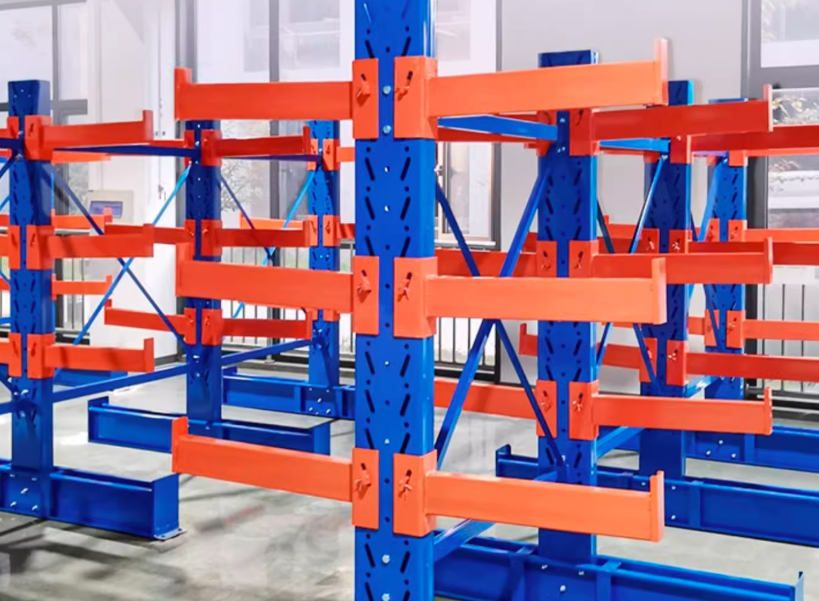
Why a Mezzanine Rack System Is a Smart Long-Term Investment
Fast Installation with Minimal Operational Disruption
Efficient installation is a key advantage of a Mezzanine Rack System. Because most mezzanine structures are prefabricated and modular, they can be assembled quickly within an existing warehouse environment. Proper planning, standardized components, and coordinated installation teams help minimize operational downtime and ensure safe structural integration with current facilities.
| Installation Factor | Application in Mezzanine Rack System | Typical Technical Parameters / Data | Practical Implementation | Key Considerations |
| Prefabricated Structural Components | Steel columns, beams, and decking manufactured off-site | Structural steel commonly produced under ASTM A36 / ASTM A572 standards; beam thickness typically 3–8 mm depending on load design | Components arrive pre-cut and drilled for bolt assembly | Verify engineering drawings and load calculations before delivery |
| Modular Assembly System | Bolt-connected modules assembled directly inside the warehouse | Bolt sizes commonly M12–M20 (12–20 mm diameter) high-strength bolts | Installation teams assemble structural frames sequentially | Torque specifications must follow manufacturer guidelines |
| Installation Duration | Faster deployment compared with building expansion | Typical mezzanine installation: 3–7 days for small systems (100–300 m²); 1–3 weeks for larger systems (>500 m²) depending on complexity | Installation performed in sections to maintain warehouse operations | Schedule installation during low activity periods |
| Minimal Foundation Requirements | Steel columns anchored to existing concrete slab | Anchor bolts typically M16–M24; concrete floor thickness often ≥150 mm for industrial slabs | Chemical anchors or expansion anchors used for column fixation | Structural assessment of existing slab capacity is required |
| Equipment Required for Installation | Lifting and positioning of structural components | Common equipment: forklifts 2–5 ton capacity, scissor lifts with working height 6–12 m | Forklifts position beams and platforms during assembly | Ensure sufficient aisle clearance for lifting equipment |
| Decking Installation | Platform flooring installed after frame assembly | Decking options include steel grating, bar grating, or composite boards; common panel thickness 30–50 mm | Panels secured using bolt or clip systems | Flooring must meet load rating and anti-slip requirements |
| Integration with Existing Operations | Work zones separated to maintain warehouse activity | Installation typically divided into 2–4 phases depending on project size | Active warehouse areas remain operational during assembly | Temporary safety barriers required around work zones |
Tip:Before installing a Mezzanine Rack System, conduct a structural inspection of the warehouse floor slab and ceiling clearance. Confirm load capacity and installation space to avoid delays during the assembly phase and ensure safe structural performance.
Long Service Life with Strong Structural Reliability
A well-engineered Mezzanine Rack System is designed according to structural steel standards and warehouse load requirements. Most systems use structural steel grades such as ASTM A36 or Q235, combined with bolted connections that maintain long-term stability under continuous loading. Regular inspections typically focus on column alignment, bolt torque integrity, and decking condition to ensure structural safety. Preventive maintenance schedules—often conducted annually—help detect wear, corrosion, or mechanical stress early. When properly maintained, industrial mezzanine structures commonly deliver service lives of 20–30 years in warehouse environments.
Future-Ready Storage Solution for Growing Businesses
A Mezzanine Rack System supports long-term operational scalability because its modular structure allows incremental expansion. New rack bays, storage levels, or work platforms can be integrated without dismantling the existing system. This approach supports growing inventory volumes and evolving logistics processes. Businesses often integrate mezzanine systems with automated technologies such as conveyors, vertical reciprocating conveyors (VRC), or warehouse management systems. These integrations allow facilities to increase storage density, improve material flow, and gradually transition toward semi-automated or automated warehouse operations while maintaining layout flexibility.
Conclusion
A Mezzanine Rack System maximizes vertical warehouse space and increases storage capacity without expanding the building. Its durable steel structure, flexible layouts, and safety features improve workflow efficiency and organization. Shanghai Shibang Storage Rack Co., Ltd. provides reliable mezzanine rack solutions with customizable designs and professional services, helping businesses build efficient, scalable, and future-ready warehouse systems.
FAQ
Q: What is a Mezzanine Rack System?
A: A Mezzanine Rack System adds elevated storage levels inside warehouses to use vertical space efficiently.
Q: Why use a Mezzanine Rack System in warehouses?
A: A Mezzanine Rack System increases storage capacity and improves workflow without expanding the building.
Q: How does a Mezzanine Rack System improve efficiency?
A: A Mezzanine Rack System organizes inventory into levels, reducing search time and improving picking speed.
Q: Is a Mezzanine Rack System expensive?
A: Compared with building expansion, a Mezzanine Rack System is usually a more cost-effective storage solution.
Q: Can a Mezzanine Rack System be expanded later?
A: Yes, most Mezzanine Rack System designs use modular components for future warehouse expansion.


