Introduction
Spring is a natural time for renewal, and warehouses benefit from it as well. After months of busy operations, inventory builds up, dust settles, and Warehouse Rack layouts often become inefficient. A seasonal reset allows managers to review storage structure, improve Warehouse Storage organization, and remove unnecessary items. When teams reorganize a Warehouse Rack system, they often discover unused space, shorten travel paths, and improve picking accuracy. Spring cleaning therefore becomes more than simple maintenance. It becomes a strategic step to improve safety, workflow efficiency, and overall warehouse performance.
Why Spring Cleaning Is the Perfect Time to Optimize Your Warehouse Rack
Eliminating Clutter That Reduces Warehouse Rack Efficiency
Clutter slowly builds inside most facilities. Seasonal inventory, damaged pallets, and outdated products occupy valuable Warehouse Rack locations. When teams remove unnecessary items, the rack system immediately becomes easier to manage. Workers can access pallets faster and identify inventory locations quickly. Organized Warehouse Storage reduces picking errors and improves stock visibility. Removing clutter also reveals underused rack levels that can support new inventory. A clean rack environment improves efficiency across receiving, storage, and fulfillment operations.
Improving Safety and Accessibility Around Warehouse Rack Systems
Clean racks improve safety as well as productivity. Dust, debris, and loose packaging materials can create hazards around forklifts and pedestrian aisles. During spring cleaning, teams inspect each Warehouse Rack aisle and remove obstacles that block safe access. Clear rack pathways allow forklifts to move smoothly and reduce handling risks. Organized Warehouse Storage also makes emergency access easier if inspections or maintenance occur. A clean environment helps workers stay focused and prevents unnecessary disruptions during daily operations.
Resetting Inventory Organization for a More Efficient Warehouse Rack
Spring cleaning allows managers to reset how inventory sits inside a Warehouse Rack system. Many facilities change product mix throughout the year. Some items grow in demand while others slow down. Reorganizing Warehouse Storage during spring ensures high-turn products move closer to picking zones. Low-turn products shift to higher or secondary rack levels. This reset supports faster order processing and balanced rack utilization. When inventory layout matches demand patterns, the warehouse runs more smoothly.
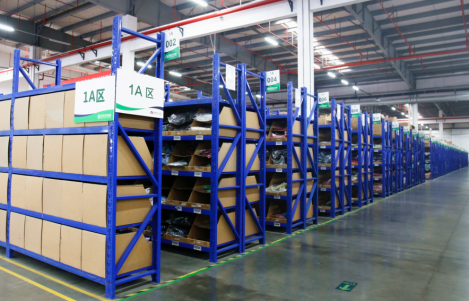
Step-by-Step Spring Cleaning Process for a Warehouse Rack System
Conduct a Comprehensive Inventory Audit Before Rack Optimization
A detailed inventory audit is the first step toward optimizing a Warehouse Rack structure. Teams review each SKU and confirm quantities, demand patterns, and storage locations. This audit reveals slow-moving inventory and identifies valuable rack positions that require reallocation. A clear inventory picture allows managers to design smarter Warehouse Storage zones. It also improves data accuracy inside warehouse management systems. Once inventory information becomes reliable, rack optimization becomes far more effective.
Remove Obsolete Inventory and Reclaim Warehouse Rack Space
Many warehouses hold inventory that no longer supports operations. Obsolete products consume important rack positions and reduce storage efficiency. Removing them frees space across the Warehouse Rack layout. The recovered space can support new inventory or improve picking access. Removing unnecessary stock also simplifies inventory counting and improves Warehouse Storage visibility. When racks hold only active products, workers spend less time searching for items and more time fulfilling orders.
Deep Clean Warehouse Rack Areas and Surrounding Floors
Deep cleaning around rack systems requires clear procedures and measurable standards. Different rack components collect dust and debris in different ways, so cleaning methods, tools, and frequencies must be defined carefully to maintain a safe and efficient Warehouse Rack environment.
| Cleaning Target | Cleaning Frequency | Recommended Method | Tools / Equipment | Technical Parameters | Practical Application | Key Precautions |
| Rack Uprights and Beams | Monthly | Wipe or vacuum dust from steel surfaces | Microfiber cloth, HEPA vacuum | HEPA filtration ≥99.97% efficiency at 0.3 μm particles | Prevents dust accumulation that hides structural damage or rack labels | Use stable ladders or lift platforms; avoid climbing racks |
| Wire Mesh Decking | Quarterly | Vacuum cleaning or compressed air blowing | Industrial vacuum, air compressor | Air pressure typically 80–120 psi (0.55–0.83 MPa) | Removes debris trapped in decking to keep pallets stable | Workers should wear eye protection and dust masks |
| Pallet Contact Surfaces | Monthly | Remove loose debris and packaging fragments | Industrial vacuum, soft brush | Vacuum suction power typically 1.5–2.5 kW for warehouse units | Ensures pallet loads sit evenly and reduces contamination risk | Avoid using water unless flooring material supports wet cleaning |
| Rack Base Plates and Anchors | Quarterly inspection during cleaning | Brush and vacuum debris | Hand brush, portable vacuum | Anchor bolt torque typically checked at manufacturer specification | Ensures base plates remain visible and anchor bolts unobstructed | Never loosen anchors during cleaning |
| Rack Aisle Floors | Daily sweeping; deep clean weekly | Mechanical sweeping or scrub cleaning | Ride-on sweeper, floor scrubber | Sweeper cleaning width commonly 800–1200 mm | Keeps forklift travel paths clear and prevents dust circulation | Schedule cleaning during low traffic periods |
| Under-Rack Floor Areas | Weekly | Long-handle vacuum or narrow sweeper | Under-rack vacuum attachment | Clearance typically 80–120 mm depending on rack design | Removes debris hidden beneath racks that forklifts cannot reach | Ensure tools fit under rack frames safely |
| Warehouse Lighting Above Racks | Semi-annually | Dust removal from fixtures | Extendable dusting pole, vacuum | Recommended illumination for warehouses: ~200 lux general lighting | Improves visibility for picking and safety inspections | Disconnect power if fixture cleaning requires contact |
Tip:Combining mechanical sweepers with scheduled under-rack vacuum cleaning prevents dust buildup that can damage equipment and ensures the Warehouse Rack environment remains safe and highly visible.
Strategic Inventory Placement to Optimize Your Warehouse Rack
Apply the 80/20 Rule to Position Fast-Moving Inventory
Applying the 80/20 rule requires data analysis rather than guesswork. Warehouse managers typically review order history, picking frequency, and SKU turnover rates to identify the most active products. These items should be placed at ergonomic picking heights, often between waist and shoulder level, within the Warehouse Rack system. This position reduces bending and lifting strain while speeding retrieval. Aligning high-frequency SKUs with main travel aisles also shortens picking routes. When the Warehouse Storage layout reflects real demand patterns, order processing becomes faster and more consistent.
Group Similar SKUs to Improve Warehouse Rack Picking Efficiency
SKU grouping works best when supported by logical product classification. Warehouses often organize items by product family, size range, or usage category within the Warehouse Rack structure. Consistent grouping allows pickers to recognize patterns and locate products more quickly during order assembly. It also simplifies cycle counting because related items are stored in the same Warehouse Storage zone. Clear location coding and rack labeling further reinforce this structure. When SKU clusters are predictable, training time for new workers decreases and picking accuracy improves across shifts.
Place High-Demand Products Near Shipping and Packing Zones
Strategic positioning near outbound areas helps warehouses shorten order fulfillment cycles. Fast-moving products stored close to packing or shipping stations require fewer internal transfers within the Warehouse Rack system. This arrangement reduces forklift travel distance and minimizes congestion in central aisles. Many facilities create dedicated forward-pick areas where high-demand SKUs are replenished from reserve Warehouse Storage locations. This two-tier system maintains steady inventory availability while keeping picking operations efficient. Proper location planning ensures fast order flow even during periods of high shipment volume.
Maximizing Space with Better Warehouse Rack Configuration
Utilize Vertical Space to Increase Warehouse Rack Storage Capacity
Effective vertical storage requires careful planning of building height and handling equipment. Many warehouses calculate clear height between the floor and roof structure to determine safe Warehouse Rack elevation. High-bay systems often extend racks to 8–12 meters, depending on forklift reach capacity. Reach trucks or narrow-aisle forklifts are commonly used to access higher rack levels efficiently. By combining vertical Warehouse Storage with stable pallet loads and clear rack labeling, facilities can significantly increase storage density while maintaining safe and organized access to inventory.
Adjust Beam Levels to Fit Current Inventory Dimensions
Beam adjustment improves rack density and ensures pallet loads fit securely within each level. Warehouse managers usually measure pallet height, including packaging, before setting beam spacing in a Warehouse Rack structure. A common guideline allows approximately 100–150 mm of clearance between the pallet and the beam above for safe handling. Proper beam spacing reduces unused vertical gaps and prevents forklifts from struggling during placement. Flexible Warehouse Storage layouts with adjustable beams help warehouses accommodate seasonal inventory changes and varying product dimensions.
Select the Right Warehouse Rack Type for Different Products
Choosing the appropriate rack structure depends on product size, weight, and handling frequency. Standard selective Warehouse Rack systems work well for palletized goods with high SKU variety. Cantilever racks support long materials such as pipes, lumber, or metal bars, while drive-in racks increase storage density for large volumes of similar products. Some facilities also implement pallet flow systems that use gravity rollers to improve stock rotation. Selecting the correct Warehouse Storage configuration ensures efficient space use, stable load support, and smooth material handling operations.
Upgrading Warehouse Rack Components for Better Performance
Install Wire Mesh Decking for Cleaner and Safer Storage
Wire mesh decking enhances both rack stability and fire safety. Steel mesh panels usually fit standard pallet rack beams and support evenly distributed pallet loads. Typical decking panels use welded steel wire with openings around 50×100 mm, which allows debris to fall through and prevents dust buildup on rack levels. The open structure also improves airflow around stored goods and allows sprinkler water to reach lower levels effectively. Installing mesh decking within a Warehouse Rack system helps maintain a cleaner Warehouse Storage environment while improving load support and overall rack safety.
Add Rack Protectors and Guardrails to Protect Warehouse Rack Structures
Protective barriers are essential in high-traffic warehouse aisles. Rack protectors are commonly installed at upright columns to absorb forklift impact and reduce structural damage. These protectors are typically made from heavy-duty steel plates with thickness around 3–6 mm and are anchored to the floor. Guardrails or bollards placed near aisle entrances further shield the Warehouse Rack structure from equipment movement. By protecting key rack components, warehouses extend rack service life and maintain the stability of their Warehouse Storage systems during daily operations.
Implement Clear Labeling Systems for Warehouse Rack Locations
A structured labeling system improves navigation and inventory accuracy within a Warehouse Rack layout. Each rack location typically follows an alphanumeric code that identifies aisle, rack bay, and level position. Durable barcode labels or reflective rack tags are often used so scanners can read them from several meters away. Clear load capacity signage should also appear on rack frames to remind workers of safe storage limits. Organized labeling helps employees quickly identify Warehouse Storage positions, reduces picking mistakes, and supports digital warehouse management systems.
Improving Warehouse Workflow Through Rack Optimization
Reduce Product Handling by Streamlining Warehouse Rack Layout
Reducing handling steps requires layout planning based on workflow analysis. Facilities often map product movement from receiving to shipping to identify unnecessary travel loops. High-frequency SKUs should be positioned along primary travel corridors within the Warehouse Rack system. Cross-docking zones and staging areas can also shorten transfer distance between inbound and outbound processes. Aligning rack rows with forklift travel direction further improves efficiency. When the Warehouse Storage layout supports direct movement paths, workers handle inventory fewer times and overall processing speed improves.
Create Clear Picking Paths Around Warehouse Rack Aisles
Efficient picking routes depend on well-designed aisle structure. Warehouses typically maintain aisle widths of about 3–4 meters for standard forklift traffic to ensure smooth movement between Warehouse Rack rows. Clear floor markings guide pickers through designated travel routes and prevent congestion during peak operations. Organizing Warehouse Storage locations sequentially within aisles helps workers follow logical picking patterns. Combined with proper signage and aisle numbering, these structured pathways reduce travel distance, minimize delays, and keep order fulfillment consistent across shifts.
Standardize Inventory Retrieval Processes Using Rack Zones
Dividing the Warehouse Rack layout into functional zones improves retrieval efficiency. Warehouses often establish separate zones for fast-moving items, bulk storage, and reserve inventory. Each Warehouse Storage zone follows consistent retrieval procedures, such as first-in-first-out rotation or batch picking. Digital location codes linked to warehouse management systems guide workers directly to correct rack positions. Standardized zone rules simplify training and reduce picking errors. When every team member follows the same retrieval process, operations remain stable even as order volumes increase.
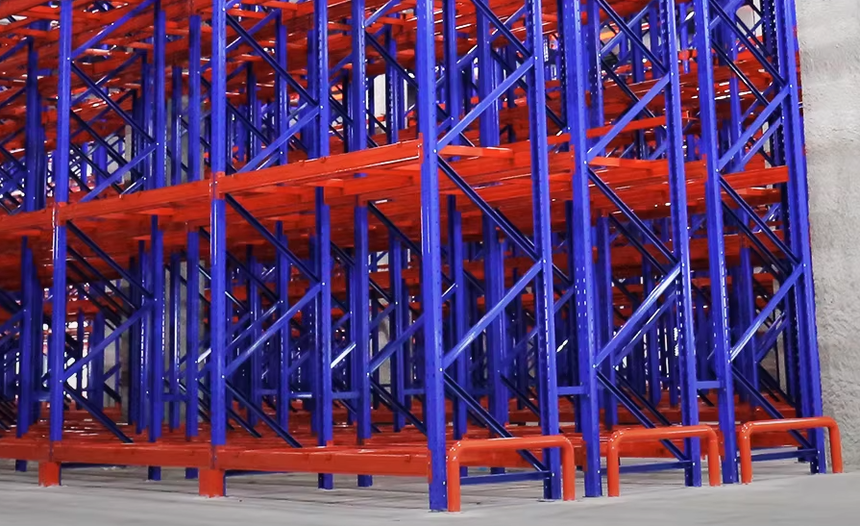
Maintaining an Optimized Warehouse Rack After Spring Cleaning
Schedule Routine Warehouse Rack Inspections and Maintenance
Routine inspections should follow a structured checklist and fixed schedule. Monthly visual checks help identify bent beams, loose anchors, or pallet overhang that may affect rack stability. Teams should also verify that loads do not exceed the rated capacity displayed on rack labels. Measuring upright alignment and ensuring anchor bolts remain tight helps maintain structural integrity. Annual professional inspections provide deeper evaluation of rack components and connections. Consistent inspection records allow managers to track equipment condition and maintain reliable Warehouse Storage performance across the entire Warehouse Rack system.
Implement Regular Cleaning Protocols Around Rack Systems
In daily warehouse operations, cleaning should follow a structured routine rather than occasional effort. Clear schedules, defined responsibilities, and measurable standards help keep Warehouse Rack areas organized and ensure a safe and efficient Warehouse Storage environment throughout the year.
| Cleaning Area | Cleaning Frequency | Recommended Method | Equipment or Tools | Technical Standard | Application Guidance | Safety Considerations |
| Rack Aisle Floors | Daily or per shift | Dry sweeping or industrial vacuum cleaning | Industrial sweeper, push broom | Industrial sweepers typically remove ≥90% of loose debris in one pass | Maintains clear forklift paths and prevents debris buildup in rack aisles | Avoid cleaning while forklifts are operating in the same aisle |
| Rack Beams and Uprights | Monthly | Surface wiping or vacuum dust removal | Microfiber cloth, HEPA vacuum | HEPA filters capture ≥99.97% of particles at 0.3 μm | Keeps rack structure visible for inspections and label readability | Use approved ladders or lift platforms for elevated cleaning |
| Wire Mesh Decking | Quarterly | Compressed air cleaning or vacuum removal | Air compressor, industrial vacuum | Typical compressed air pressure: 80–120 psi (0.55–0.83 MPa) | Prevents dust accumulation and allows debris to fall to floor level | Operators should wear eye protection and dust masks |
| Storage Zone Inspection | Weekly | Visual inspection and debris removal | Inspection checklist, handheld vacuum | Inspection time typically 3–5 minutes per rack aisle | Identifies damaged pallets, fallen items, or loose packaging materials | Never climb racks directly; use certified access equipment |
| Spill Cleanup Areas | Immediately after incident | Absorbent containment and surface cleaning | Spill kit, absorbent pads | Industrial absorbent pads typically hold 1–3 L of liquid | Prevents liquids from spreading beneath rack systems and equipment | Use PPE when handling oils or chemical spills |
| Packaging Waste and Debris | Daily | Waste segregation and disposal | Waste bins, recycling containers | Standard industrial bins often range from 120–240 L capacity | Keeps rack aisles free of pallet wrap, cardboard, and packaging scraps | Position waste bins outside forklift traffic lanes |
| Rack Labels and Signage | Monthly | Gentle surface wiping | Alcohol wipes or mild detergent | Rack labels should remain readable from 3–5 m aisle distance | Maintains accurate rack identification and inventory navigation | Avoid harsh chemicals that may fade printed labels |
Tip:Assign cleaning responsibility by rack aisle or storage zone. Clear ownership helps maintain consistent cleaning routines and keeps Warehouse Rack areas visible, safe, and easy to manage.
Train Staff on Proper Warehouse Rack Usage and Organization
Effective rack management requires structured employee training and clear operating standards. Workers should learn correct pallet loading techniques, such as centering loads on beams and keeping weight evenly distributed across rack levels. Training should also cover load capacity awareness, proper forklift positioning, and safe stacking heights. Clear procedures for rack location coding and inventory placement help maintain organized Warehouse Storage zones. Regular refresher training and visual guides near rack aisles reinforce these practices and ensure every shift follows the same Warehouse Rack handling standards.
Conclusion
Spring cleaning offers a practical chance to improve every Warehouse Rack system. By removing clutter, reorganizing inventory, and optimizing rack layouts, warehouses can increase efficiency, improve safety, and streamline Warehouse Storage operations. Strategic product placement and better rack configuration help reduce travel time and support faster order fulfillment. Regular inspections and structured maintenance keep racks stable and reliable. Companies like Shanghai Shibang Storage Rack Co., Ltd. provide durable rack solutions and professional support, helping businesses build efficient storage systems that improve productivity and long-term warehouse performance.
FAQ
Q: Why optimize a Warehouse Rack during spring cleaning?
A: It removes clutter, improves Warehouse Rack access, and boosts Warehouse Storage efficiency.
Q: How do you reorganize a Warehouse Rack system?
A: Audit inventory, clear slow stock, and adjust Warehouse Rack levels for better flow.
Q: What improves Warehouse Rack picking efficiency?
A: Place fast items low and near shipping areas within the Warehouse Rack layout.
Q: How often should a Warehouse Rack be inspected?
A: Inspect Warehouse Rack structures monthly to ensure safe Warehouse Storage use.
Q: What upgrades improve a Warehouse Rack system?
A: Add wire decking, labels, and guards to strengthen Warehouse Rack safety.


