Phone / Whatsapp:+8615618993196

Views: 0 Author: Site Editor Publish Time: 2026-09-04 Origin: Site


Warehouse environments subject structural steel to constant abuse. Forklift impacts, dynamic loading, environmental corrosion, and operational fatigue inevitably compromise structural integrity over time. Ignoring minor wear leads to compounding structural risks. A single dented upright or missing safety pin can trigger a catastrophic system collapse. The operational consequences of racking failure are severe. Facility damage, inventory loss, and liability claims can devastate an operation. Contrasted against these catastrophic outcomes, routine maintenance requires minimal effort.
You must treat your racking systems as active machinery. They bear immense weight and absorb constant abuse. To ensure continuous operational uptime and compliance, facilities must adopt a systematic, evidence-based protocol. We outline a strict 6-step protocol for pallet racking maintenance below. This framework aligns with industry safety standards set by OSHA, ANSI, and RMI. You will learn how to identify hidden damage, verify load capacities, and implement a standardized inspection cadence to protect your facility.
Proactive vs. Reactive Economics: Routine pallet racking maintenance extends asset lifecycle and prevents six-figure disruptions associated with system collapses.
Standardized Inspection Cadence: Implementing a strict 6-step internal inspection process bridges the gap between mandatory annual third-party audits.
Strict Deflection Limits: Visual assessments must be backed by precise measurements; structural damage is often present before it becomes visible to the naked eye.
Compliance and Liability: Maintaining a documented audit trail of inspections, identified missing fasteners, and remediations is critical for regulatory compliance and insurance validity.
A successful maintenance program relies on clear metrics. You want zero safety incidents and 100% compliance during OSHA audits. You also want to maximize your asset lifespan. Achieving these metrics requires a shift from reactive repairs to proactive management. When you wait for a rack to fail, you lose control of the outcome. Proactive checks keep you in command of your warehouse infrastructure.
Compare the predictable operating expenses of routine warehouse racking maintenance against unpredictable capital expenditures. Emergency replacements cost significantly more than scheduled repairs. Structural failures destroy valuable inventory and halt operations. Legal liabilities from workplace injuries can bankrupt an operation. Routine maintenance is a protective financial strategy. It transforms a massive unknown risk into a manageable, predictable line item.
Scheduled maintenance also prevents unplanned downtime. Supply chain velocity relies on continuous movement. If an aisle is shut down due to a collapsed beam, picking and put-away operations stall. Proactive inspections identify weak points before they fail. You can schedule repairs during off-peak hours. This ensures your operational continuity remains uninterrupted and your throughput targets are met.
| Operational Metric | Reactive Approach | Proactive Maintenance Program |
|---|---|---|
| Downtime | Unplanned, extended aisle closures during emergency repairs. | Scheduled, minimal disruptions during off-peak hours. |
| Inventory Risk | High probability of product loss during a structural collapse. | Zero product loss due to early identification of weak points. |
| Labor Allocation | Emergency overtime required for immediate cleanup and repair. | Standard hours utilized for routine inspections and minor fixes. |
| Audit Compliance | High risk of OSHA citations and fines for neglected hazards. | 100% compliance with documented audit trails and safety logs. |
Warehouse managers often underestimate the cumulative effect of daily operations. A 10,000-pound forklift traveling at 5 mph generates massive kinetic energy. When that machine clips a rack column, the steel absorbs the shock. The first impact might only scratch the paint. The second impact might cause a slight deflection. The third impact on that exact same spot will buckle the steel. This compounding damage is exactly why visual inspections matter. You are looking for the early warning signs before the final, catastrophic blow occurs.
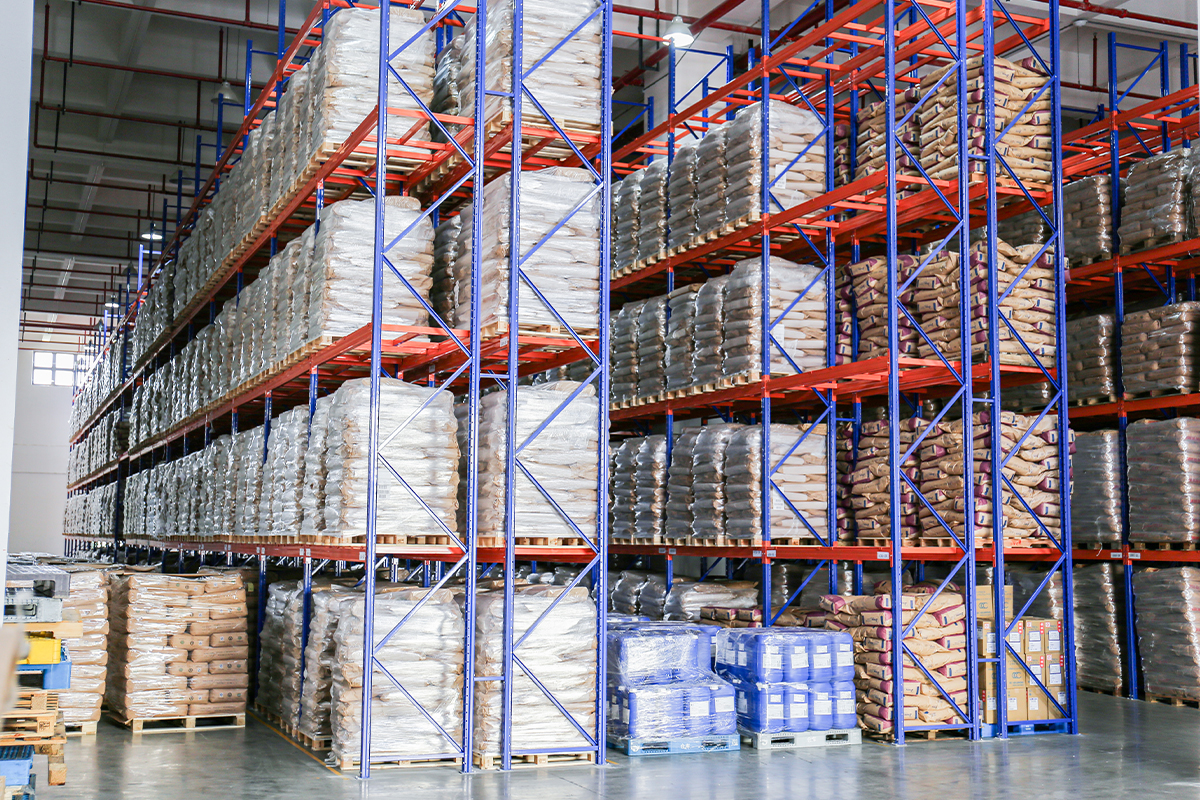
The foundation dictates the stability of the entire racking structure. Start by checking anchor bolt integrity. Use a torque wrench to verify anchor bolt torque meets manufacturer specifications. Look for sheared, bent, or missing bolts. Verify proper embedment depth in the concrete. A loose anchor bolt compromises the rack's ability to resist lateral forces and seismic activity.
Next, inspect the footplates and shims. Footplates must not show signs of deformation or severe rust. Shims must be properly aligned under the footplate. They must be welded if required by the original engineering design. The upright must sit completely flush to the concrete. Uneven seating creates dangerous stress concentrations on the lower column.
Concrete slabs in warehouses are not static. They shift, settle, and crack over time due to thermal expansion, heavy loads, and soil movement beneath the foundation. When a slab settles unevenly, it pulls the anchor bolts with it. This creates a gap between the footplate and the concrete. If you see a gap, the upright is no longer supported by the floor; it is hanging from the beams. This is a critical structural failure. You must use steel shims to fill this gap and restore full contact. However, you cannot stack an infinite number of shims. Most engineering guidelines restrict shim stacks to a maximum height, often around two inches. If the floor has settled more than that, you need a custom-engineered footplate or concrete leveling services.
Clear all debris and dust from the base of every upright to ensure full visibility of the footplate.
Strike the anchor bolt lightly with a steel hammer; a dull thud indicates the bolt has pulled loose from the concrete epoxy or wedge anchor.
Measure the gap between the shim stack and the footplate to ensure 100% surface contact.
Document any concrete spalling that extends more than two inches from the edge of the baseplate.
Upright frames bear the vertical load of your inventory. Plumbness and out-of-straight tolerances are non-negotiable. The industry standard for plumbness is typically 1/2 inch per 10 feet of height. Measure this accurately using a laser level or a plumb bob. A leaning rack shifts its center of gravity. This drastically reduces its engineered weight capacity and increases collapse risk.
Inspect columns for visual cues of pallet rack damage. Look closely for creases, dents, tears, or twisting. Forklift impact is the primary cause of column damage. Even a minor crease alters the load-bearing geometry of the steel. Do not ignore small dents. They create weak points that will buckle under maximum capacity loads.
When inspecting the uprights, pay special attention to the first 36 inches from the floor. This zone absorbs 90% of all forklift impacts. If you find a dent in this zone, measure its depth. A dent exceeding 1/4 inch in depth on the face of the column, or any tear in the steel, requires immediate isolation of that bay.
Evaluate the system for corrosion and environmental wear. Check for rust, oxidation, or chemical corrosion on uprights. This is especially relevant in cold storage, outdoor, or caustic warehouse environments. Rust eats away at the steel thickness. Check the strut and bracing evaluation next. Inspect horizontal and diagonal bracing for bending, broken welds, or sheared fasteners. Bracing provides essential lateral stability to the frame.
Beams carry the direct weight of the pallets. Understand standard beam deflection limits. The allowable deflection for beams under load is typically the beam length divided by 180. For a 96-inch beam, this is roughly half an inch. You must differentiate between normal elastic deflection and permanent plastic deformation. If a beam remains bowed after you remove the pallets, it is permanently deformed and must be replaced.
Connector and safety pin verification is absolutely mandatory. Safety clips, pins, and bolts prevent beams from dislodging. Check for dislodged or missing fasteners. Look for sheared locking mechanisms. A forklift operator can easily bump a beam upward during a clumsy pallet extraction. Without a safety pin, the beam will detach, dropping the load instantly.
Conduct thorough weld inspections. Spotting hairline cracks or rust weeping at the beam-to-connector welds is vital. Rust weeping indicates internal structural fatigue. Instruct inspectors to look for unauthorized modifications. Watch for non-standard bolts, field-welded repairs, or makeshift connections. Warehouse staff sometimes alter racks without engineering approval. This voids warranties and creates severe safety hazards.
| Component | Inspection Focus | Failure Condition |
|---|---|---|
| Beam Face | Check for bowing or twisting under load. | Deflection exceeds L/180 or remains bowed when empty. |
| Connectors | Examine the teardrop or slotted engagement points. | Teeth are sheared, bent, or not fully seated in the upright. |
| Safety Pins | Verify presence and condition of locking pins. | Pins are missing, replaced with nails, or heavily rusted. |
| Welds | Inspect the joint between the beam tube and connector plate. | Visible hairline cracks, separation, or rust weeping. |
Proper loading is just as important as structural integrity. Clarify the difference between Uniformly Distributed Loads (UDL) and point loads. heavy duty pallet racking is typically rated for UDL. This means the weight is spread evenly across the beam. Improper pallet placement creates dangerous point loads. A point load concentrates extreme weight on a small area, causing localized beam failure.
Verify capacity plaque compliance. Ensure that load application matches the engineered capacity plaques displayed on the racking system. Plaques must be visible and legible. Overloading is a primary cause of system collapses. Train forklift operators to read and respect these capacity limits before placing heavy loads into the structure.
Warehouse operators frequently change inventory profiles. A bay originally designed to hold lightweight paper goods might suddenly be loaded with dense liquid totes. The physical dimensions of the pallet might fit, but the weight profile completely violates the engineered capacity. You must audit the actual weight of the pallets against the capacity plaques during every inspection cycle.
Check pallet overhang and clearances. Standard pallet overhang is typically 3 to 4 inches front and back. This ensures the pallet rests securely on both beams. Maintain proper flue space clearances. Flue spaces are required for fire safety and structural balance. Blocked flue spaces prevent fire sprinklers from penetrating the racks during an emergency.
Protection systems absorb damage so your racking does not. Assess the condition of column protectors and guardrails. Check end-of-row guards, post protectors, and floor-mounted barriers. Damaged protectors must be replaced immediately. Once a guard is dented, it has already absorbed its maximum impact capacity. It will not protect the rack from a second impact.
Inspect safety netting and wire decking. Wire decks prevent loose cartons from falling. Inspect wire decks for localized bending, broken welds, or improper seating. The deck must sit flush on the beam step. Check containment netting for tears or tension loss. Loose netting cannot catch falling debris, putting pedestrian workers at risk.
Verify that floor-mounted guardrails are securely anchored and not leaning into the rack structure.
Check wire deck waterfall edges to ensure they wrap securely over the beam face.
Inspect the mesh pattern on wire decks for broken welds that could allow small boxes to slip through.
Ensure safety netting cables are tensioned correctly and carabiners are fully locked.
Inspections are useless without proper documentation. Utilize the Traffic Light System to categorize damage severity based on industry guidelines like SEMA or RMI standards. This helps prioritize repairs efficiently.
| Risk Level | Status | Required Action |
|---|---|---|
| Red Risk | Severe Damage | Immediately offload all inventory. Isolate the rack. Do not use until repaired or replaced. |
| Amber Risk | Moderate Damage | Do not add new loads. Schedule repairs as soon as possible. Monitor closely. |
| Green Risk | Minor Wear | Safe to use. Record the damage location and monitor during future inspections. |
Maintain strict audit trails. Log inspection dates, specific locations of damage, and photographic evidence. This documentation is required for compliance and historical tracking. Outline immediate isolation protocols. When you identify "Red Risk" racking, immediately block off the aisle. Offload the inventory using safe procedures. Isolate the area until professional repairs are completed.
A pallet rack inspection log serves as your primary defense during an OSHA audit. If an inspector walks into your facility and sees a dented upright, they will ask for your maintenance logs. If you can produce a log showing the damage was identified yesterday, categorized as Amber Risk, and a repair kit is already on order, you demonstrate control. If you have no documentation, you face immediate citations.
You must know how to visualize imminent failure. Critical failure points require the immediate evacuation of the aisle. Look for buckled lower uprights. A buckled upright has lost its vertical load capacity and will fold under pressure. Watch for severely bowed beams with cracked welds. If the weld is cracked, the beam is hanging by a thread.
Missing anchor bolts combined with impact damage are a lethal combination. If a forklift hits an unanchored frame, the entire row can tip over. Look for twisted columns where the steel has physically torn. Torn steel cannot be hammered back into place. It has lost its structural tensile strength and represents a severe collapse hazard.
Another clear sign of failure is a twisted diagonal strut. Struts maintain the geometric shape of the upright frame. When a forklift forks strike a strut, it can bend or snap the weld. A frame with a broken strut loses its ability to resist twisting forces. If you see a strut that is no longer straight, the entire frame is compromised.
Always adhere to OEM compliance. Mixing components from a different pallet racking manufacturer is highly dangerous. Different brands use different steel gauges, locking mechanisms, and tolerances. Mixing parts voids warranties and drastically alters engineered load capacities. Always source replacement parts from the original manufacturer.
Evaluate the use of engineered repair kits versus full upright replacement. Bolt-on repair kits can fix lower leg damage without dismantling the entire bay. However, any repair must be signed off by a licensed structural engineer. This ensures you maintain pallet rack safety standards. Unapproved welding or makeshift splices are strictly prohibited.
Analyze liability considerations. Utilizing third-party repair services carries legal and safety trade-offs. If a third-party repair fails, liability falls heavily on the warehouse operator. Using OEM replacement parts or engineer-approved kits transfers some of that liability back to the certified professionals. Always prioritize certified, engineered solutions over quick fixes.
Identify the exact make, model, and steel gauge of the damaged component.
Contact the original manufacturer or a certified structural engineer to evaluate the damage.
Procure an engineered repair kit designed specifically for that exact upright profile.
Hire certified installers to execute the repair, ensuring they follow the engineer's torque specifications.
Update your maintenance logs with the engineer's sign-off documents.
Warehouse operators must navigate strict regulatory frameworks. OSHA enforces safety through the General Duty Clause. This clause requires employers to provide a workplace free from recognized hazards. International equivalents, like the HSE, have similar expectations. They mandate regular inspections and specifically recommend 12-month professional audits. Failing to comply results in massive fines and facility shutdowns.
Consider the operational reality of a high-throughput distribution center. Forklift operators are under immense pressure to meet pick rates. This speed breeds mistakes. When a pallet is pushed too far back, it can dislodge the flue space push-back bar or damage the rear beam. If your maintenance team is not trained to look for this specific type of rear-aisle damage, it will go unnoticed until a pallet falls through. You must build a maintenance schedule that accounts for the specific traffic patterns and operational bottlenecks of your unique facility. High-traffic zones, such as staging areas and fast-moving consumer goods aisles, require weekly inspections. Slower-moving bulk storage might only need monthly checks. Tailor your approach to the actual risk profile of each zone.
Internal training gaps present a massive risk. Relying on untrained staff for visual inspections is dangerous. An untrained eye cannot spot a failing weld or measure plumbness correctly. Recommend specific certification or training programs for internal maintenance teams. They must know how to accurately identify bending, impact damage, and corrosion.
Your forklift operators are your first line of defense. They navigate the aisles daily and are the first to see or cause damage. Implement a strict no-blame reporting culture. If an operator hits a rack and fears losing their job, they will hide the damage. Hidden damage kills. Train operators to report every bump, scrape, and collision immediately. Reward proactive reporting to build a culture of transparency and safety.
The risk of unauthorized modifications cannot be overstated. Warn your staff against moving beams or altering rack configurations. Adjusting beam elevations fundamentally changes the system's load-bearing capacity. You must consult the original engineering drawings before making any structural changes. A professional audit will immediately flag unauthorized beam movements as a severe safety violation.
Establish a strict internal weekly and monthly inspection schedule for all high-traffic aisles using a standardized checklist.
Train your forklift operators to report rack impacts immediately without fear of reprisal to ensure rapid damage identification.
Audit your current inventory weights against the engineered capacity plaques on your racking systems this week.
Book an annual third-party safety audit with a certified rack inspector to maintain regulatory compliance and validate your internal checks.
A: Conduct daily visual checks by forklift operators to spot immediate impact damage. Schedule formal monthly internal inspections using a trained safety officer to document wear and tear. OSHA and HSE guidelines highly recommend booking a professional, comprehensive audit every 12 months by an independent certified rack inspector.
A: Severe damage requires immediate offloading. This includes torn or ripped steel on uprights, broken or cracked welds on beams, and severe chemical corrosion. Any upright deflection exceeding 1/2 inch per 10 feet, or a beam with permanent plastic deformation, is also classified as severe damage requiring immediate replacement.
A: Repairs are possible, but they must utilize engineered bolt-on kits specifically approved by a licensed structural engineer. You cannot simply weld a patch over damaged steel. If an engineered repair kit is not available or suitable for the specific damage, the entire damaged component must be completely replaced.
A: The employer is legally responsible. Under OSHA's General Duty Clause, employers must provide a safe working environment free from recognized hazards. Facility managers and business owners bear the ultimate legal and financial liability for ensuring racking systems are properly maintained, inspected, and safe for daily use.
A: Beams naturally experience safe, temporary elastic deflection under heavy loads. This is normal. However, if the beam remains bowed after you remove the pallets, it has suffered dangerous permanent plastic deformation. Permanent bowing indicates overloading or structural fatigue, and the beam must be replaced immediately.
A: Yes. Mixing and matching rack components from different manufacturers creates severe safety and liability risks. Different brands use varying steel gauges, connection tolerances, and locking mechanisms. Using non-OEM parts voids your warranty and fundamentally alters the engineered load capacity of the entire racking system.
A: Immediately secure the area and prevent forklift traffic in that aisle. Offload the weight from the affected beam to remove structural stress. Replace the missing hardware exclusively with OEM-approved safety pins, clips, or bolts. Never use makeshift fasteners like standard nails or unrated bolts.


