Introduction
Warehouses store more inventory every year, and efficient storage systems are more important than ever. Mezzanine Racking helps businesses maximize vertical space and improve warehouse efficiency without expanding floor area. However, these steel structures support heavy loads and constant daily activity, which makes proper maintenance essential for long-term performance. Without consistent care, minor wear can gradually affect stability and safety. In this article, you will learn practical methods to maintain Mezzanine Racking, including inspections, load management, environmental protection, and operational best practices that help extend its lifespan and keep warehouse operations running smoothly.
Core Maintenance Practices to Extend the Life of Mezzanine Racking
Establish Routine Inspections for Steel Mezzanine Racking
Routine inspection is the first step in maintaining reliable Mezzanine Racking systems. Warehouse teams should conduct weekly visual checks to identify bent beams, loose connections, or missing safety pins. These early inspections allow small problems to be discovered before they affect structural stability. Annual structural evaluations also help confirm that the racking remains aligned, properly anchored, and capable of carrying its rated load. After any heavy loading event or forklift contact, an additional inspection ensures the structure remains safe and stable. Consistent monitoring keeps the system dependable and prevents minor wear from developing into larger maintenance tasks.
Maintain Structural Stability Through Bolt and Anchor Checks
Bolts and anchors hold the entire Mezzanine Racking structure together. Over time, warehouse vibration, forklift movement, and frequent loading may loosen these connections. Periodic bolt tightening helps maintain structural rigidity and ensures the rack frame remains secure. Teams should also check base plates and floor anchors to confirm they remain firmly attached to the warehouse floor. Strong connections between beams, columns, and bracing components allow the racking to distribute weight evenly and maintain its designed strength during daily operations.
Repair or Replace Damaged Mezzanine Racking Components Promptly
Fast response to structural damage is essential for maintaining Mezzanine Racking longevity. Bent beams, cracked welds, or damaged bracing components should be addressed immediately once detected. Replacing affected parts quickly restores structural integrity and prevents additional stress on surrounding components. Warehouses often keep spare rack components available so repairs can be completed without delays. When repairs happen promptly, the entire racking structure continues operating safely while minimizing operational disruption.
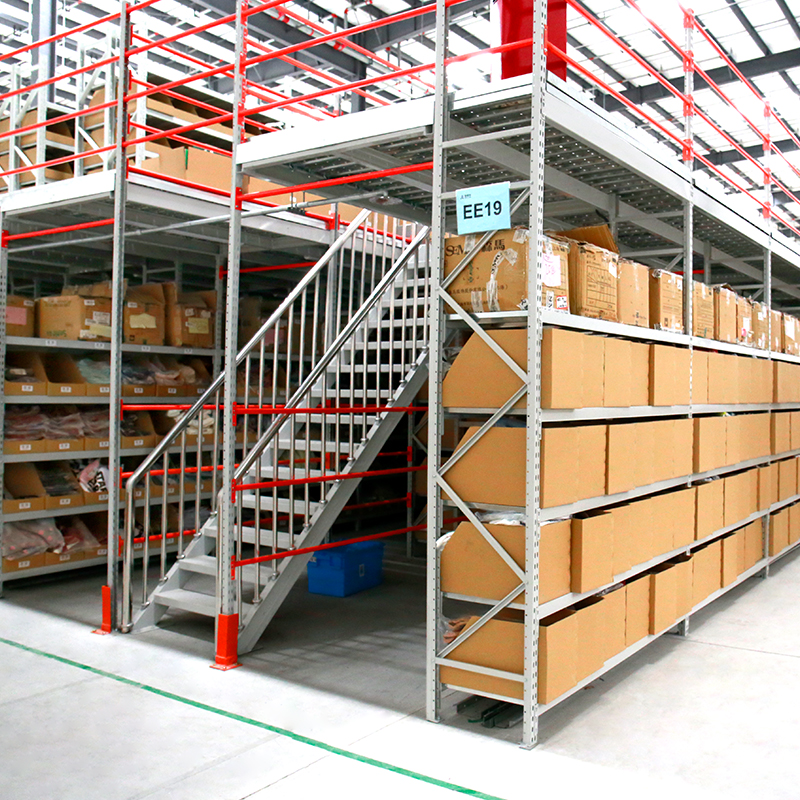
Preventing Corrosion and Environmental Damage in Steel Mezzanine Racking
Control Moisture to Protect Mezzanine Racking from Rust
Controlling humidity and condensation is one of the most effective ways to prevent corrosion on steel Mezzanine Racking. Warehouses often combine environmental monitoring, ventilation systems, and proper floor drainage to maintain a dry storage environment and protect rack structures from long-term rust damage.
| Moisture Control Strategy | Application Scenario | Recommended Technical Range | Equipment / Materials | Implementation Method | Operational Notes |
| Relative Humidity Control | Standard indoor warehouse storage | Maintain 40–60% Relative Humidity (RH) | Industrial desiccant or refrigerant dehumidifiers, HVAC systems | Install humidity sensors and connect to automated ventilation systems | Corrosion risk increases when humidity exceeds 65% RH for extended periods |
| Mechanical Ventilation | Warehouses with limited natural airflow | 3–6 air changes per hour (ACH) recommended | Roof exhaust fans, wall ventilators | Position fans to circulate air along rack aisles and mezzanine levels | Balanced airflow prevents moisture buildup around rack columns |
| Temperature Stabilization | Facilities with seasonal temperature changes | Maintain indoor temperature variation ≤5°C | Insulated roofing, circulation fans | Prevent rapid temperature shifts that cause condensation on steel | Condensation often forms when warm air contacts cooler rack surfaces |
| Floor Drainage Design | Loading docks and wash-down areas | Floor slope 1–2% gradient toward drainage | Epoxy flooring, trench drains | Direct water away from rack base plates and anchors | Standing water near rack columns accelerates corrosion |
| Rack Base Plate Protection | Areas prone to floor moisture | Maintain 50–75 mm (2–3 in) separation between steel and moisture sources | Galvanized base plates, anti-corrosion sealants | Seal anchor bolts and inspect periodically | Galvanized coatings provide corrosion resistance in humid areas |
| Environmental Monitoring | Large warehouses with varied conditions | Sensor accuracy ±3% RH, monitoring interval 5–10 min | Digital humidity sensors, data loggers | Install sensors at floor level and upper rack levels | Lower rack areas often trap moisture due to limited airflow |
| Condensation Prevention in Cold Storage | Refrigerated storage areas | Maintain dew point difference ≥3°C from steel surface temperature | Insulated panels, vapor barriers | Control humidity before air enters cold zones | Reduces condensation on mezzanine rack beams and columns |
Tip:Humidity tends to accumulate near the warehouse floor where rack anchors are located. Installing humidity sensors at both floor level and upper mezzanine levels helps detect moisture differences early and prevents corrosion on critical structural components of Mezzanine Racking.
Apply Protective Coatings for Steel Mezzanine Racking
Protective finishes add an additional defense layer for Mezzanine Racking. Powder-coated surfaces resist scratches and corrosion while galvanized steel provides excellent protection in humid environments. Over time, exposed steel areas may appear due to wear or accidental contact. Repainting these surfaces restores the protective barrier and maintains long-term durability. Warehouses that operate in challenging environments often rely on reinforced coatings to ensure consistent performance.
Maintain Clean Storage Areas Around Mezzanine Racking
Effective cleaning routines help protect Mezzanine Racking from corrosion and operational damage. Warehouses typically perform daily floor sweeping to remove dust and metal particles that may trap moisture around rack bases. In high-traffic areas, weekly cleaning with industrial vacuum systems prevents debris buildup beneath pallets and equipment. It is also recommended to keep at least 300 mm (12 in) clearance around rack columns to allow inspection and airflow. Proper storage zoning and clearly marked staging areas further reduce clutter and protect rack structures from accidental contact.
Managing Load Capacity to Protect Mezzanine Racking Structures
Follow Manufacturer Load Limits for Mezzanine Racking
Load capacity limits are calculated during rack engineering and depend on beam strength, column thickness, and floor loading capacity. Many mezzanine rack systems are designed to support 500–1500 kg per pallet position, depending on beam profile and span length. Exceeding this capacity increases beam deflection and structural stress. Warehouses should place load signage at aisle ends and rack frames, showing maximum load per level and total bay capacity. Regular training ensures operators understand these limits and load pallets according to structural design specifications.
Distribute Weight Evenly Across Mezzanine Racking Levels
Balanced loading helps maintain structural integrity across the entire Mezzanine Racking frame. Heavy items are normally placed on lower rack levels to keep the center of gravity stable and reduce stress on upper beams. Pallets should be positioned evenly across beam pairs to avoid concentrated loads. Standard pallet racking beams are designed for uniformly distributed loads (UDL), meaning weight should be spread across the beam length rather than concentrated in one spot. Consistent load distribution prevents beam deformation and maintains safe storage conditions.
Use Appropriate Pallets and Storage Containers
Using standardized pallets improves the stability of stored goods on Mezzanine Racking. Common pallet sizes include 1200 × 1000 mm (EU pallet) and 48 × 40 in (North American pallet), both designed to distribute loads evenly across support beams. Pallets should remain structurally intact, with no broken boards or damaged blocks. Warehouses also benefit from using consistent pallet types to maintain predictable load distribution and spacing between racks. Proper pallet selection reduces beam stress and improves handling efficiency during storage operations.
Installing Protective Accessories for Mezzanine Racking
Use Column Guards to Protect Uprights
Column guards protect the most vulnerable parts of Mezzanine Racking—the vertical uprights that carry structural loads. Most industrial guards are made from 3–5 mm thick steel or heavy-duty polymer and typically stand 300–600 mm (12–24 in) high to shield the lower rack column from forklift forks and pallet contact. They are anchored directly to the warehouse floor using expansion bolts. Bright colors such as yellow improve visibility for forklift operators and help prevent accidental impacts during daily material handling operations.
Install End-of-Aisle Barriers in High-Traffic Areas
End-of-aisle barriers protect the outer corners of Mezzanine Racking, where forklifts frequently turn. These barriers are commonly constructed from heavy steel tubing with diameters of 100–150 mm and anchored with multiple floor bolts for impact resistance. In busy distribution centers, barriers are installed with 1.2–1.5 m (4–5 ft) clearance from rack ends to allow safe turning space. Their impact-absorbing design redirects equipment away from rack structures and reduces the risk of structural deformation caused by repeated vehicle contact.
Add Safety Netting and Guardrails for Mezzanine Racking
Safety netting and guardrails provide additional protection on elevated levels of Mezzanine Racking. Guardrails typically follow industrial safety guidelines with heights around 1.1 m (42 in) and include mid-rails and toe boards to prevent items from sliding off platforms. Rack safety netting is commonly made from high-strength polypropylene or nylon mesh designed to hold falling cartons or loose goods. These safety systems improve worker protection, prevent product damage, and maintain safe operations in multi-level warehouse storage environments.
Training Warehouse Staff to Maintain Mezzanine Racking Properly
Educate Employees on Safe Loading Practices
Effective training programs teach employees how to load pallets according to Mezzanine Racking design requirements. Workers should understand the concept of uniformly distributed loads (UDL) so weight spreads evenly across rack beams. Training often includes correct pallet orientation, proper spacing between loads, and safe lifting practices. Many warehouses use visual load diagrams posted on rack frames to reinforce guidelines. Regular refresher sessions ensure new staff and experienced operators maintain consistent loading practices and protect the structural integrity of the racking system.
Train Forklift Operators to Avoid Rack Impact
Forklift training should focus on controlled maneuvering near Mezzanine Racking aisles. Operators must maintain safe travel speeds, typically 5–8 km/h (3–5 mph) inside warehouse storage zones. Proper fork positioning, smooth pallet placement, and controlled turning help prevent contact with rack columns. Training programs also emphasize maintaining adequate clearance when lifting pallets to higher levels. When operators consistently follow these techniques, the likelihood of rack impact decreases and the storage system maintains long-term structural stability.
Establish Reporting Procedures for Rack Damage
Clear reporting procedures help warehouses address Mezzanine Racking damage quickly and efficiently. Workers should be trained to identify warning signs such as bent beams, misaligned uprights, or loose anchors. Facilities often implement digital reporting tools or maintenance logs so employees can record issues immediately after discovery. Once reported, supervisors or maintenance staff inspect the area and determine the appropriate repair action. Early reporting ensures that structural concerns are resolved quickly and prevents small defects from affecting overall rack stability.
Creating a Preventive Maintenance Program for Mezzanine Racking
Develop a Scheduled Maintenance Checklist
A practical maintenance checklist should follow defined time intervals. Daily checks often focus on visible damage or obstructions around Mezzanine Racking, while weekly reviews verify beam alignment, pallet placement, and safety clips. Monthly tasks usually include bolt torque verification, anchor inspection, and checking column protectors. Many facilities also schedule quarterly structural reviews to confirm load distribution and rack stability. Using a standardized checklist ensures every inspection follows the same process, helping managers maintain consistent oversight of the storage system.
Document Inspection and Repair Records
A structured maintenance log improves long-term management of Mezzanine Racking systems. Records typically include inspection dates, identified issues, repair actions, and responsible personnel. Digital maintenance systems or warehouse management software can store this information and track trends over time. When patterns such as repeated beam stress or frequent impact points appear, managers can adjust layout or operating procedures. Accurate documentation also supports compliance with warehouse safety standards and simplifies internal audits.
Schedule Professional Safety Inspections
Periodic professional inspections provide a deeper structural evaluation of Mezzanine Racking systems. Certified inspectors assess column verticality, beam deflection, anchoring strength, and overall rack stability using specialized measuring tools. These inspections often follow recognized industry guidelines such as rack safety standards and engineering tolerances. Professional evaluations also include load signage verification and structural integrity reviews. Regular expert assessments help warehouses maintain optimal rack performance and ensure the storage infrastructure continues operating safely.
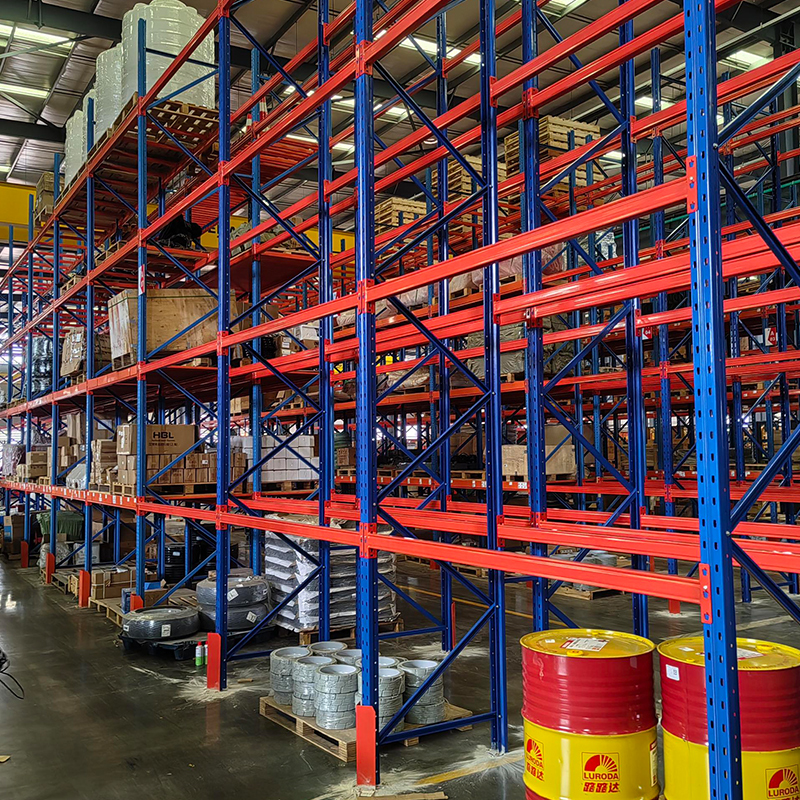
Optimizing Warehouse Layout to Protect Mezzanine Racking
Design Clear Aisles Around Mezzanine Racking
Proper aisle design should consider forklift type, pallet size, and operational flow. In most warehouses using standard counterbalance forklifts, aisle widths are typically 3.0–3.7 m (10–12 ft) to allow safe turning and pallet handling. Narrow-aisle systems may operate at 2.0–2.5 m, but they require specialized equipment. Clear sightlines, floor markings, and designated turning zones help operators navigate safely around Mezzanine Racking, reduce collision risks, and maintain consistent material flow during daily warehouse operations.
Organize Inventory for Efficient Access
Strategic inventory placement improves efficiency and protects Mezzanine Racking structures. High-turnover items should be stored at waist-to-shoulder height (0.8–1.5 m) to reduce excessive lifting and equipment movement. Fast-moving SKUs are usually positioned near picking zones, while heavier pallets are placed on lower rack levels to maintain structural balance. Implementing inventory systems such as ABC classification also minimizes travel distance, reduces forklift congestion, and helps maintain a smoother workflow throughout the storage area.
Mark Safety Zones and Traffic Paths
Clear floor markings and safety zones help guide forklifts and workers around Mezzanine Racking systems. Well-planned traffic paths reduce accidental rack contact, improve workflow efficiency, and support safer warehouse navigation during daily operations.
| Safety Element | Application Scenario | Recommended Specification | Technical Indicators | Implementation Method | Operational Notes |
| Forklift Traffic Lanes | Primary forklift travel paths between Mezzanine Racking aisles | Lane width typically 3.0–3.7 m (10–12 ft) depending on forklift turning radius | Standard counterbalance forklift turning radius: 2.0–2.5 m | Mark lanes using high-visibility epoxy floor paint or PVC floor tape | Ensure lanes remain unobstructed to maintain smooth equipment flow |
| Pedestrian Walkways | Worker movement near Mezzanine Racking or picking areas | Minimum walkway width 0.9–1.2 m (3–4 ft) | OSHA recommended pedestrian clearance in warehouses | Use yellow or green safety paint lines with clear directional arrows | Install barriers where pedestrian routes intersect forklift traffic |
| Rack Safety Clearance Zone | Buffer space between forklifts and rack structures | Maintain 0.3–0.5 m (12–20 in) clearance from rack uprights | Helps prevent collision from pallet handling equipment | Mark boundary lines on floor around rack columns | Regularly verify markings remain visible after heavy traffic |
| Column Protection Area | Areas surrounding Mezzanine Racking uprights | Safety zone radius 300–450 mm around rack base | Based on typical forklift pallet swing allowance | Combine floor marking with steel column guards | Replace worn markings immediately to maintain visibility |
| End-of-Aisle Safety Zone | Forklift turning points near aisle ends | Clearance width 1.2–1.5 m (4–5 ft) in turning areas | Reduces collision risk during forklift turns | Mark with diagonal hazard stripes and install impact barriers | Ideal for high-traffic warehouse intersections |
| Loading / Unloading Area Marking | Zones where pallets are staged before storage | Designated zone width 2.4–3.0 m (8–10 ft) depending on pallet volume | Standard pallet size: 1200 × 1000 mm or 48 × 40 in | Use colored floor zones and signage | Prevent stacking outside designated areas |
| Safety Signage Placement | Visual guidance near Mezzanine Racking aisles | Sign height 1.5–2.0 m for clear operator visibility | Reflective signs improve visibility in low light | Install forklift caution signs and load capacity labels | Ensure signage remains unobstructed |
Tip:Warehouse floor markings should be inspected every 6–12 months because forklift traffic gradually wears them down. Repainting faded lines helps maintain clear navigation and prevents equipment collisions around Mezzanine Racking systems.
Conclusion
Maintaining Mezzanine Racking is essential for warehouse safety, efficiency, and long-term performance. Regular inspections, proper load management, environmental control, and trained staff help keep rack systems stable and reliable for many years. Proactive maintenance also reduces operational risks and protects valuable inventory. Companies that treat storage systems as long-term assets gain better operational stability and cost efficiency. Shanghai Shibang Storage Rack Co., Ltd. offers durable mezzanine racking solutions designed for strength, safety, and optimized warehouse space, helping businesses build efficient and reliable storage environments.
If you require bulk purchasing of Mezzanine Racking, please feel free to contact us.
FAQ
Q: How often should Mezzanine Racking be inspected?
A: Inspect Mezzanine Racking weekly and yearly.
Q: Why is load control important for Mezzanine Racking?
A: Balanced loads protect Mezzanine Racking structure.
Q: How can rust affect Mezzanine Racking?
A: Moisture can weaken steel Mezzanine Racking.
Q: What protects Mezzanine Racking from forklift impact?
A: Guards and barriers protect Mezzanine Racking.


