Phone / Whatsapp:+8615618993196
Views: 0 Author: Site Editor Publish Time: 2026-03-02 Origin: Site
Expanding your warehouse soon? The new vs used pallet racks decision impacts safety and profit. Many compare the cost difference between new and used pallet racks, yet ignore long-term risk. In this guide, you will learn how to choose wisely, including certified Industrial Pallet Racking Systems from Shibang for stronger warehouse pallet rack investment value.
Used pallet racks for sale near me often advertise lower prices, typically 10% to 30% below new systems. In liquidation cycles, discounts may appear larger. However, those deals depend on supply timing and condition. Once surplus inventory clears, prices rise quickly. In contrast, factory-direct brands such as Shibang offer Industrial Pallet Racking Systems engineered from high-strength Q235B or Q345 steel at competitive pricing. Because production is standardized and vertically integrated, the cost gap between certified new racks and used racks may be narrower than expected. Buyers must compare like-for-like load capacity and steel thickness. A thinner used beam may cost less but carry lower safe load limits.
Component | New Price | Used Price Range | Typical Savings |
Uprights 144" x 36" | $217.70 | 10–20% less | Moderate |
Uprights 96" x 42" | $153.45 | 10–20% less | Moderate |
Beams 108" x 5" | $83.30 | 20–30% less | Higher |
Wire Mesh Decking | $33.83 | 15–25% less | Medium |
The table shows possible savings, yet it does not reflect inspection labor, freight variation, or part replacement.
Used pallet racks often require deeper inspection. Bent columns must be replaced. Missing anchor bolts or safety clips increase risk. Surface corrosion may require sanding and repainting. These steps add cost and delay installation. If load labels are missing, engineers may need to re-evaluate capacity. That engineering review adds time and expense. In contrast, new pallet racks come with stamped specifications and predictable performance. Over ten years, reduced repair frequency lowers total ownership cost. In many cases, the real warehouse pallet rack investment gap shrinks once hidden costs are included.
Lifecycle matters more than initial purchase. If a used rack lasts eight years and a new rack lasts fifteen, the annualized cost difference changes significantly. Heavy duty storage solutions rated at 1000–3000 kg per level provide strong structural margin. Higher steel thickness reduces beam deflection and long-term fatigue. Powder coating or galvanized finishing improves corrosion resistance. Over time, fewer repairs mean fewer disruptions to picking and shipping operations. When calculating ROI, consider service life, maintenance cost, and downtime risk together.
Used rack markets fluctuate with industrial closures and expansions. When warehouses downsize, used inventory increases. When economic growth resumes, availability tightens. This volatility makes planning difficult. New pallet racks from established manufacturers provide predictable supply timelines. That consistency supports phased expansion and automation upgrades. If your business depends on precise rollout schedules, supply reliability becomes a strategic factor.
Permitting often requires engineering stamps and documented load ratings. Used racks may lack clear documentation, forcing third-party assessment. That process increases approval time. New racks simplify this step because specifications are available from the manufacturer. Engineering-focused suppliers such as Shibang provide 3D layout planning and load simulation, improving space utilization and safety margin before installation begins.
Tip: Compare total installed cost, expected lifespan, and compliance requirements before deciding.
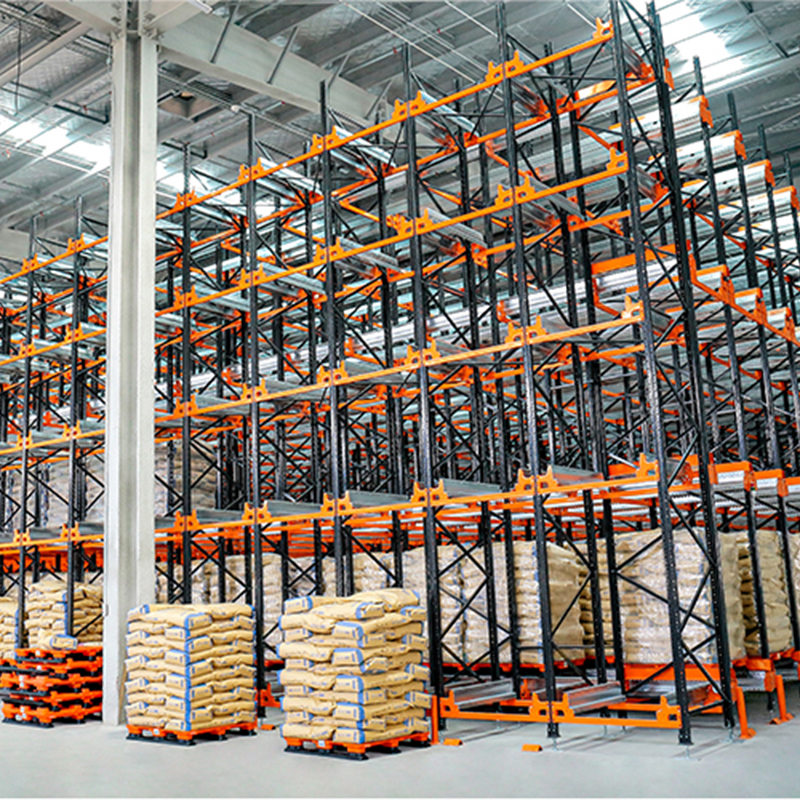
Are used pallet racks safe? They can be, but only when verified through inspection and documentation. If beams are mismatched or uprights were previously overloaded, structural performance may be compromised. Load ratings must match your inventory profile. Without certified ratings, warehouse managers assume greater liability. New racks manufactured under ISO and CE standards provide traceable load capacity. That traceability reduces uncertainty and supports audit readiness.
Steel weakens under repetitive stress cycles. Each forklift impact adds cumulative strain. Over time, microscopic cracks may form, reducing strength without visible warning. Rust accelerates this process. Cold storage environments increase condensation, which intensifies corrosion. Modern pallet racks use robotic welding and precision cold-forming to maintain consistent strength. Powder-coated or galvanized finishes add environmental protection. These design features extend structural life and reduce fatigue risk.
Compliance reduces operational risk. OSHA-aligned safety standards require proper anchoring, beam locking, and load labeling. Used racks may meet standards, but verification is essential. Regular rack inspection programs should be implemented regardless of system type. However, inspection frequency tends to be lower with new certified systems because baseline condition is known.
Insurance providers assess warehouse risk exposure. Documented new systems often lower underwriting uncertainty. In the event of a collapse, incomplete documentation increases liability exposure. Legal cost and downtime can far exceed any savings from buying used pallet racks.
Note: Structural failure cost always exceeds initial savings.
New pallet racks provide predictable strength and uniform quality. Adjustable beams optimize vertical space and improve picking efficiency. In many warehouses, selective racks increase storage density by up to 300% compared to floor stacking. Consistent manufacturing ensures compatibility with forklifts and automation systems. This reliability supports operational efficiency and long-term planning.
Selective, drive-in, and gravity systems support different inventory flows. Drive-in racks maximize density for bulk goods. Gravity racks improve FIFO rotation. Engineering-focused brands such as Shibang offer lifecycle customization, allowing layout optimization for 3PL, manufacturing, and cold chain industries. This reduces wasted aisle space and improves throughput speed.
New racks require planning, yet factory-direct production shortens lead times. Bulk purchasing reduces per-unit cost. Flexible payment structures improve capital management. Although upfront cost is higher, predictable performance reduces future uncertainty.
Standardized components simplify expansion. Matching beams and uprights remain available years later. Used racks may not offer identical replacement parts, limiting scalability.
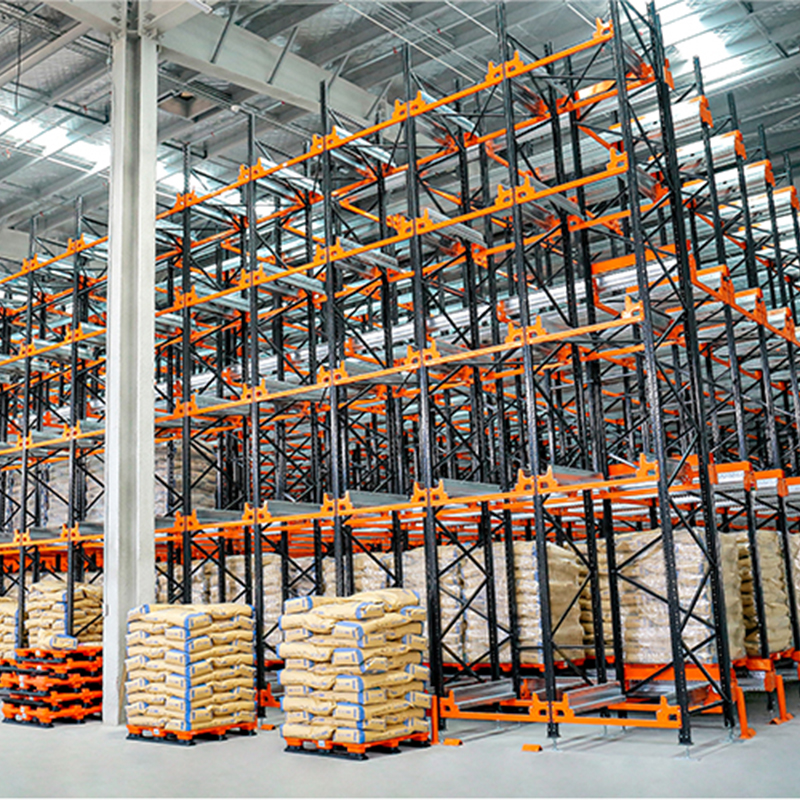
Used racks reduce immediate capital expense. They allow fast operational launch. For temporary or overflow storage, this can be sufficient. In budget-sensitive scenarios, they provide flexibility.
Local sourcing reduces delivery time. If your warehouse must respond to sudden demand, used racks may accelerate setup. This is especially helpful during seasonal peaks.
Reusing industrial steel extends product lifecycle. It reduces new material consumption and supports sustainability goals. Companies focused on environmental metrics may value this benefit.
Compatibility issues arise when mixing brands or series. Upright hole patterns may not align. Beam connectors may differ. These mismatches create inefficiency and structural inconsistency. If expansion is required later, sourcing identical used parts may be impossible.
Used pallet racks are appropriate when storage is short-term or non-critical. For example, bulk packaging materials or low-value inventory may justify lower investment. Budget limitations also influence decision-making. However, thorough rack inspection must occur before installation. Structural anchoring and beam locking must meet safety standards.
New pallet racks are ideal for automated warehouses, cold chain facilities, and high-value goods. Corrosion-resistant coatings and heavy-duty steel construction improve durability in harsh environments. If long-term growth and scalability are planned, new racks support predictable expansion. Engineering documentation simplifies compliance audits and insurance reporting.
Factor | New Pallet Racks | Used Pallet Racks |
Structural Certainty | High | Variable |
Maintenance Frequency | Lower | Higher |
Expansion Compatibility | Guaranteed | Limited |
Corrosion Resistance | Strong | Depends on Condition |
Lifecycle Predictability | 10–15 Years+ | 5–10 Years (varies) |
New racks reduce inspection burden and unexpected repair cost. Used racks require closer monitoring and possible reinforcement.
Warehouse floor load capacity, ceiling height, and forklift turning radius affect rack selection. Inventory weight distribution must align with beam rating. Future automation plans influence compatibility needs. Engineering-driven suppliers provide layout simulation to optimize space use. Budget evaluation should include inspection, maintenance, insurance, and downtime risk. Sometimes investing more upfront creates lower long-term cost and stronger operational resilience.
Decision Factor | Best Option |
Tight Budget | Used Pallet Racks |
Permit Required | New Pallet Racks |
Long-Term Growth | New Pallet Racks |
Temporary Storage | Used Pallet Racks |
High Liability Risk | New Pallet Racks |
Choosing between new vs used pallet racks is a strategic decision that impacts safety, compliance, and long-term warehouse pallet rack investment value. While used racks reduce upfront cost, new systems offer certified load capacity and stronger durability. Shibang provides heavy-duty Industrial Pallet Racking Systems that enhance protection, scalability, and operational reliability.
A: The key gap in new vs used pallet racks is certified load capacity, lifespan, and documented compliance for warehouse pallet rack investment safety.
A: Used pallet racks can be safe if inspected, but are used pallet racks safe depends on verified load ratings and regular rack inspection.
A: The cost difference between new and used pallet racks is often 10–30%, depending on condition, availability, and freight distance.
A: Buy used pallet racks for warehouse projects when budgets are tight, storage is temporary, or industrial racking systems are non-critical.


