Phone / Whatsapp:+8615618993196

Views: 0 Author: Site Editor Publish Time: 2026-03-19 Origin: Site


Warehouse space often fills faster than expected as inventory grows and product lines expand. Many facilities face the same challenge: limited floor area but unused vertical space above. Mezzanine Racking offers an effective solution by creating additional storage levels within the existing warehouse structure. Instead of relocating or expanding the building, companies can utilize vertical height to increase storage capacity and improve workflow efficiency. In this article, you will learn how to choose the right mezzanine racking system by evaluating warehouse space, structural requirements, and operational needs.
Warehouse height determines whether Mezzanine Racking can be installed effectively. Most systems require enough clearance above and below the platform to allow safe movement and storage operations. Managers should measure ceiling height and plan headroom for workers, equipment, and stored goods. A well-planned layout ensures forklifts, pallet jacks, and staff can operate smoothly. When vertical space is used properly, warehouses can add one or even multiple storage levels without interrupting existing workflows.
Load capacity plays a major role in selecting mezzanine racking. Every warehouse stores different products. Some hold lightweight cartons, while others store palletized goods or machinery. Each load type requires different structural strength. Engineers usually calculate weight per square foot before designing the system. This ensures the mezzanine structure supports inventory, workers, and equipment safely. When load planning is done correctly, the storage system performs reliably during daily operations.
Before installing Mezzanine Racking, warehouse planners should clearly define how the upper level will be used. Different operational goals—such as storage, picking, packing, or workspace—require different structural loads, layout designs, and access systems. The comparison below highlights key technical considerations for common mezzanine applications.
| Operational Purpose | Typical Application Scenario | Recommended Floor Load Capacity | Typical Layout Parameters | Material Handling Integration | Common Flooring Materials | Key Design Considerations |
|---|---|---|---|---|---|---|
| Bulk Storage Area | Warehouses storing cartons, palletized goods, or seasonal inventory | 300–500 kg/m² for manual storage; up to 1000 kg/m² if pallet jacks operate | Storage bay depth: 800–1200 mm; aisle width: 1000–1200 mm | Pallet gates, manual pallet trucks, lift tables | Steel grating, checkered steel plate, or high-density particle board | Ensure even load distribution across beams and allow safe pallet transfer zones |
| Order Picking Area | E-commerce fulfillment centers handling high SKU counts | 200–300 kg/m² typical for manual picking | Walkway width: 900–1200 mm; shelf height: 1.5–2.2 m | Conveyor belts, carton flow racks, pick-to-light systems | Galvanized steel grating or composite decking | Maintain clear sightlines and efficient item grouping to reduce picking travel time |
| Packing and Sorting Station | Distribution centers processing outgoing shipments | 300–400 kg/m² including packing tables and equipment | Workstation spacing: 1.2–1.5 m; conveyor clearance ≥ 600 mm | Conveyor lines, sortation systems, packaging machines | Steel plate flooring with anti-slip surface | Provide power outlets, lighting, and adequate ventilation for workstation areas |
| Work Platform / Production Area | Light manufacturing or assembly operations above the warehouse floor | 400–750 kg/m² depending on machinery weight | Equipment clearance zones: 1.0–1.5 m; workstation layout customized to process flow | Vertical lifts, overhead conveyors, tool supply systems | Reinforced steel plate or heavy-duty composite flooring | Machinery vibration and load concentration should be considered during design |
| Equipment Access Platform | Areas used for maintenance access to machinery or utilities | 250–400 kg/m² typical for personnel and maintenance tools | Minimum walkway width: 800 mm; guardrail height: ≥ 1100 mm | Access ladders, service stairs, maintenance lifts | Steel grating flooring for ventilation and drainage | Design must allow safe access while keeping equipment reachable for maintenance |
Tip:Align mezzanine functions with warehouse workflow zones. Locating picking, packing, and conveyor access points strategically can reduce travel distance by 15–30% in many warehouse operations, improving overall productivity.
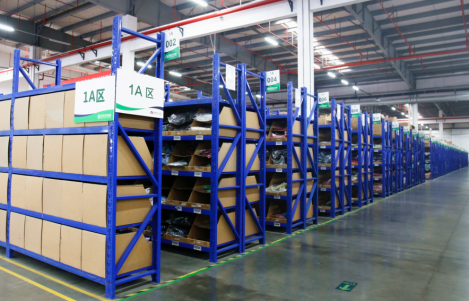
Freestanding Mezzanine Racking systems are supported by independent steel columns anchored directly to the warehouse floor. This structure allows wide column spacing, often 4–8 meters, creating unobstructed space below for forklifts, conveyors, or workstations. These systems commonly support floor loads between 300–1000 kg/m², depending on the beam profile and deck material used. Because the mezzanine is not attached to existing storage equipment, it can be relocated or expanded with minimal disruption. This flexibility makes freestanding designs suitable for warehouses that expect layout adjustments or operational expansion.
Rack-supported mezzanine systems combine pallet racking and mezzanine flooring into a single structural solution. The racking frames act as load-bearing columns, allowing additional storage levels to be installed above pallet storage areas. Standard pallet rack frames often support loads of 1000–3000 kg per pallet position, while mezzanine decks above them are typically designed for 250–500 kg/m² manual storage loads. Aisle widths generally remain 2.5–3.5 meters to accommodate forklifts. This configuration maximizes vertical storage density and is widely used in distribution centers handling large volumes of palletized goods.
Shelving-supported mezzanine systems use industrial shelving units as the structural base for upper storage levels. These systems are particularly effective for warehouses managing large numbers of small or medium-sized SKUs. Shelving bays typically range from 600–1200 mm depth with adjustable shelf spacing in 25–50 mm increments to accommodate different product sizes. The mezzanine floor above usually supports 200–300 kg/m², suitable for manual picking operations. Walkways between shelving rows are generally 900–1200 mm wide, enabling safe movement while maintaining efficient access to stored items.
Selecting the correct mezzanine decking material directly affects structural performance and operational safety. Steel grating is widely used because it allows light, airflow, and sprinkler water penetration while supporting loads typically between 300–600 kg/m². Checkered steel plate flooring offers higher durability and slip resistance, suitable for heavy-duty areas with pallet jacks or equipment traffic. High-density particle board or composite panels are commonly used in light storage zones and manual picking areas. Flooring thickness usually ranges from 18–38 mm, depending on expected loads and beam spacing.
Column spacing is a critical factor in mezzanine structural design because it determines how efficiently the floor space below can be used. Typical column grids range from 4–8 meters, allowing forklifts, pallet trucks, and storage racks to move freely underneath the platform. Structural beams are usually fabricated from rolled steel sections such as H200–H400 profiles, designed to support floor loads between 300–1000 kg/m² depending on application. Proper beam depth, bracing, and column placement ensure that the mezzanine remains stable while maintaining unobstructed warehouse traffic flow.
The warehouse floor slab must safely support the concentrated loads transmitted through mezzanine columns. Standard industrial concrete slabs typically range from 150–200 mm thickness, though heavier systems may require thicker slabs or localized reinforcement. Engineers calculate point loads from each column, which can exceed 10–30 kN depending on structure size and stored inventory weight. Soil bearing capacity and slab reinforcement are evaluated to prevent cracking or settlement. Proper foundation analysis ensures the mezzanine structure distributes loads safely and maintains long-term stability.
Vertical expansion allows warehouses to fully utilize unused ceiling space while keeping the floor area clear for operations. In facilities with ceiling heights above 9–12 meters, mezzanine structures can create two or three storage tiers, increasing usable storage area by 100–200% within the same footprint. Structural beams and decks are typically designed to support 300–500 kg/m² for manual storage or higher for dense shelving. This layered storage approach helps separate product categories and improves space utilization, especially in distribution centers handling large SKU volumes.
Multi-level storage systems are often organized using zone-based layouts to reduce worker travel distance. Walkways usually range between 900–1200 mm wide, allowing safe two-way pedestrian movement. Shelving heights are commonly set between 1.8–2.2 meters, which aligns with ergonomic picking reach for workers. By placing high-demand SKUs on easily accessible levels and slower-moving items on upper tiers, warehouses can improve picking efficiency and reduce retrieval time. Clearly marked aisles and organized product zones also help maintain accurate inventory control.
Efficient mezzanine operations often rely on integrated material handling systems that move goods vertically and horizontally. Vertical reciprocating conveyors typically handle loads between 500–3000 kg per cycle, while carton conveyors operate at speeds of 0.2–0.6 m/s to maintain steady product flow. Pallet lifts and gravity conveyors are frequently installed at transfer points to simplify loading and unloading between levels. When these systems are aligned with storage zones and picking areas, they significantly reduce manual handling and improve overall warehouse throughput.
Multi-tier Mezzanine Racking systems are commonly used in facilities with ceiling heights above 8–10 meters, allowing two or three operational levels. Each tier typically maintains a clear height of 2.2–2.8 meters to ensure comfortable movement and shelving access. Structural beams and columns are engineered to support floor loads between 300–500 kg/m² for manual storage operations. Walkways are generally designed at 900–1200 mm width to maintain safe traffic flow. By distributing inventory across multiple tiers, warehouses can significantly improve storage density and organize products by SKU category or operational function.
Integrating mezzanine platforms with existing pallet racks or shelving helps maximize the use of current storage infrastructure. Rack-supported mezzanine systems typically rely on heavy-duty rack frames capable of supporting 1000–3000 kg per pallet level. Upper decks can be installed above these structures while maintaining standard aisle widths of 2.5–3.5 meters for forklift access. This configuration enables facilities to increase vertical storage capacity without altering established warehouse layouts. It also supports efficient product flow by maintaining familiar storage zones for operators and equipment.
Modular Mezzanine Racking designs rely on standardized structural components such as bolt-connected beams, removable deck panels, and adjustable columns. Column grids are often spaced 4–6 meters apart, enabling additional bays or extensions to be added without structural redesign. Deck modules can be expanded to create new storage zones or integrate additional stairways and conveyors. These systems are engineered to maintain consistent load ratings—typically 300–500 kg/m²—even when expanded. Modular construction ensures that warehouses can adapt storage capacity as inventory grows while maintaining structural stability and operational efficiency.
Safety components must follow recognized industrial standards to ensure secure operation on mezzanine levels. Stairways are commonly designed with a 30°–38° incline, tread depth of 250–300 mm, and minimum width of 900 mm to allow safe worker movement. Guardrails typically stand 1100 mm high and include mid-rails and toe boards to prevent falls or dropped objects. Pallet safety gates at loading zones allow controlled transfer of pallets while keeping workers protected behind guardrails. Proper placement of these elements ensures safe circulation paths and reduces operational risks on elevated platforms.
Well-planned access points improve the efficiency of goods movement between mezzanine levels. Pallet gates are usually installed near primary storage zones, while vertical reciprocating conveyors (VRCs) can handle loads from 500 kg to over 3000 kg per cycle. Conveyor systems moving cartons typically operate at speeds between 0.2–0.6 m/s, allowing continuous product flow. Access points should be positioned to minimize travel distance and avoid blocking aisles. Integrating these systems with picking zones and storage areas helps maintain smooth material flow and reduces manual handling effort.
Lighting design plays a critical role in safety and operational accuracy on mezzanine platforms. Industrial warehouses typically aim for 200–300 lux illumination in storage areas and up to 500 lux in picking zones. LED fixtures are widely used because they provide consistent brightness, energy efficiency, and long service life exceeding 50,000 hours. Lights are often installed under the mezzanine deck and along walkways to eliminate shadows between shelving rows. Adequate lighting improves visibility for labels and barcodes, reduces picking errors, and enhances overall worker safety.
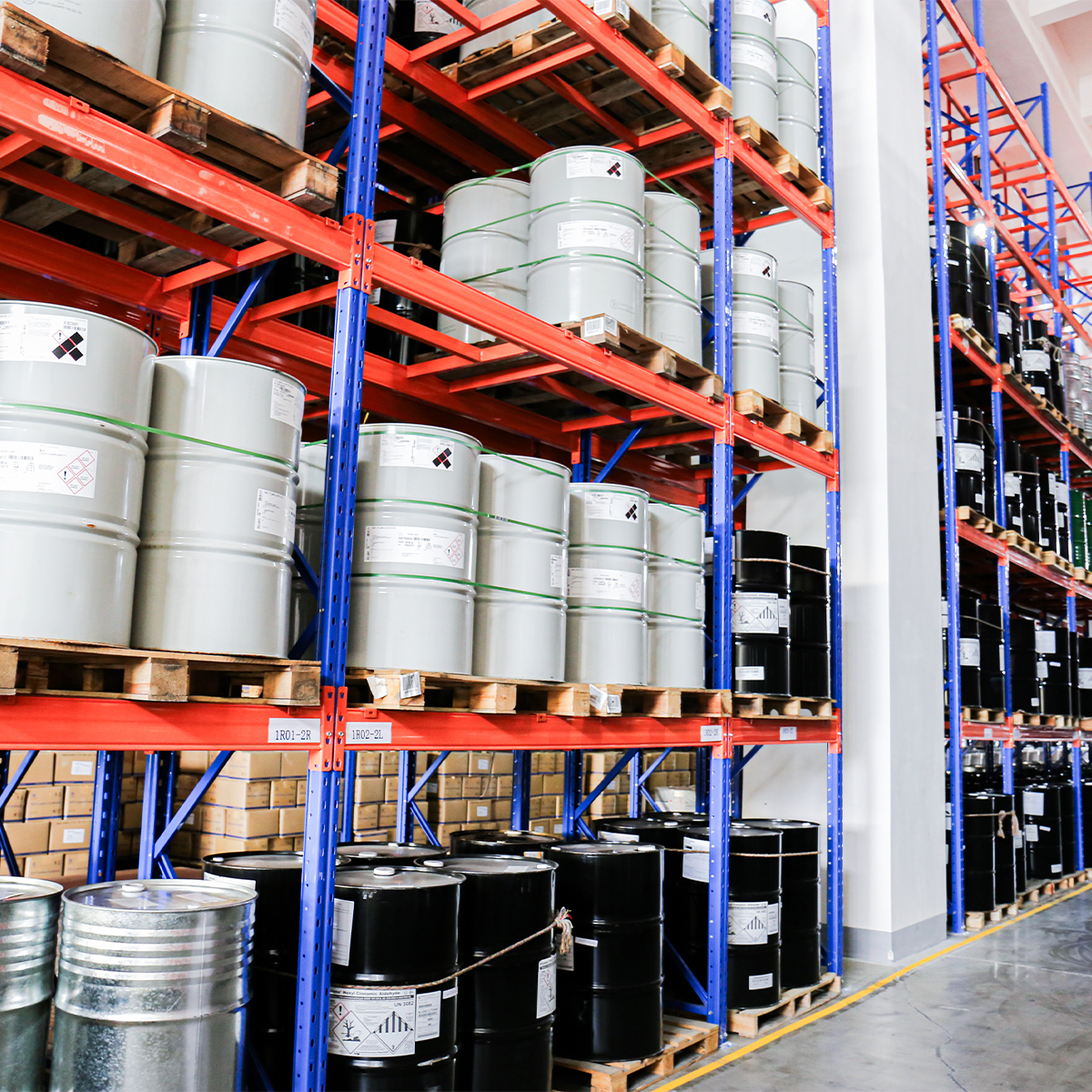
Flexible mezzanine layouts should be planned with adjustable structural grids and modular storage components. Column spacing is often designed between 4–8 meters, allowing aisles, shelving, or work areas to be reconfigured as product categories change. Adjustable shelving with 25–50 mm vertical pitch enables fast height modification for different carton sizes. Modular deck panels also allow sections of the platform to be extended or relocated. Designing flexible zones for picking, storage, and packing ensures the mezzanine can adapt efficiently to new inventory structures or workflow adjustments without major reconstruction.
Long-term storage planning requires forecasting inventory growth and designing Mezzanine Racking systems with scalable capacity. Many warehouses plan mezzanine platforms to support loads between 300–500 kg/m² for manual storage or higher for dense inventory. Multi-tier mezzanine structures can increase usable storage space by 2–3 times within the same building footprint. By expanding vertically, facilities avoid relocation costs while maintaining operational continuity. Integrating conveyors, pallet lifts, or vertical reciprocating conveyors also ensures that additional storage levels remain efficient as inventory volume increases.
When planning scalable Mezzanine Racking, warehouse managers must evaluate structural design, expansion methods, application scenarios, and engineering parameters. A structured comparison helps identify systems that support long-term storage growth while maintaining operational efficiency and safety.
| Expansion Type | Structural Design Approach | Typical Applications | Key Technical Parameters | Common Material Specifications | Expansion Capability | Design Considerations |
|---|---|---|---|---|---|---|
| Modular Column Expansion System | Uses standardized steel columns and beams that allow additional bays or platforms to be installed | Distribution centers, manufacturing warehouses | Column height: typically 3–10 m; Column spacing: 4–8 m; Platform load capacity: 250–1000 kg/m² | Structural steel (Q235 or Q355 equivalent); Column sections often 150×150 mm or 200×200 mm | Allows horizontal expansion by adding new structural bays | Ensure load distribution remains balanced and column grid alignment is maintained |
| Multi-Tier Platform Expansion | Additional floors added above the original mezzanine structure | E-commerce warehouses, small-parts storage | Typical level height: 2.2–2.8 m; Design load: 300–500 kg/m²; Walkway width ≥ 900 mm | Steel grating, checkered steel plate, or composite decking panels | Supports 2–3 storage levels in high-ceiling warehouses | Structural load calculations must account for cumulative floor loads |
| Rack-Supported Expansion System | Existing pallet racking frames act as the primary support structure for upper decks | High-density pallet storage warehouses | Pallet rack beam load: commonly 1000–3000 kg per level; Platform load: 250–500 kg/m² | Cold-rolled steel rack frames; Beam height typically 100–160 mm | Additional rack levels or mezzanine decks can be installed | Rack frames must meet structural stability and load-bearing requirements |
| Catwalk and Picking Level Expansion | Elevated walkways added between tall shelving or racking systems | E-commerce fulfillment centers, spare-parts warehouses | Walkway width: 800–1200 mm; Picking floor load: 200–300 kg/m² | Galvanized steel grating, steel decking, or composite panels | Allows installation of additional picking levels | Fire sprinklers and lighting clearance must be considered |
| Conveyor-Ready Expansion Layout | Mezzanine structure designed with reserved space for conveyors or vertical lifts | Automated warehouses, logistics hubs | Vertical reciprocating conveyor capacity: 1000–3000 kg; Conveyor speed: 0.2–0.6 m/s | Carbon steel support frames with roller or belt conveyors | Enables future installation of conveyor systems and lifts | Electrical routing and equipment mounting points should be pre-planned |
Tip:When designing scalable mezzanine racking, engineers often include a structural load reserve of about 15–25% above the initial design load to safely accommodate future equipment installation or increased storage density.
Choosing the right Mezzanine Racking system requires evaluating warehouse height, load capacity, workflow, and structural design to ensure safe and efficient storage expansion. When planned correctly, mezzanine solutions significantly increase storage density, improve order picking efficiency, and support long-term warehouse growth without building expansion. Shanghai Shibang Storage Rack Co., Ltd. provides reliable mezzanine racking systems with strong structural performance, flexible configurations, and professional design support, helping warehouses maximize vertical space and build efficient, scalable storage environments.
If you require wholesale purchasing of Mezzanine Racking, you are welcome to consult our experts.
A: Mezzanine Racking adds extra storage levels inside a warehouse to maximize vertical space.
A: Evaluate ceiling height, load capacity, workflow, and layout to match warehouse storage needs.
A: It increases storage capacity without expanding the building footprint.
A: Capacity depends on design and inventory type in warehouse storage systems.
A: Yes, many warehouse storage layouts combine mezzanine platforms with pallet racks.


