Phone / Whatsapp:+8615618993196
Views: 0 Author: Site Editor Publish Time: 2026-03-02 Origin: Site
Are tires taking over your warehouse floor? Many businesses struggle as inventory grows and storage stays outdated. A smart Tire Rack Storage System solves clutter, protects stock, and boosts workflow. In this guide, you will learn how to choose tire rack storage system solutions, including reliable options like Shibang Tire Storage Racking Systems built for strength and flexibility.
Disorganized tire storage slows down daily operations. Employees spend extra time locating specific SKUs, which increases labor cost and reduces order accuracy. An engineered tire storage system improves workflow by organizing inventory into structured vertical zones. Clear segmentation supports faster retrieval and reduces congestion in busy warehouses. In distribution centers or 3PL facilities, improved layout planning can shorten picking cycles and improve inventory turnover. When racks are designed for forklift compatibility and logical grouping, operations become more predictable and less stressful.
Tires stored directly on the ground are exposed to moisture and uneven pressure. Over time, this leads to deformation and material degradation. Industrial Tire Racks distribute circular load evenly and protect sidewalls from compression damage. Reinforced frames reduce collapse risk and improve overall warehouse safety. For companies managing high-value inventory, organized vertical storage lowers accident probability and strengthens compliance documentation during audits.
Short-term savings often lead to long-term expense. Low-grade racks require frequent repairs and may fail under heavy load. Heavy duty Tire Racks built from high-strength steel reduce maintenance frequency and improve structural lifespan. Over several years, durable industrial storage racks typically offer stronger return on investment by reducing replacement and downtime costs.
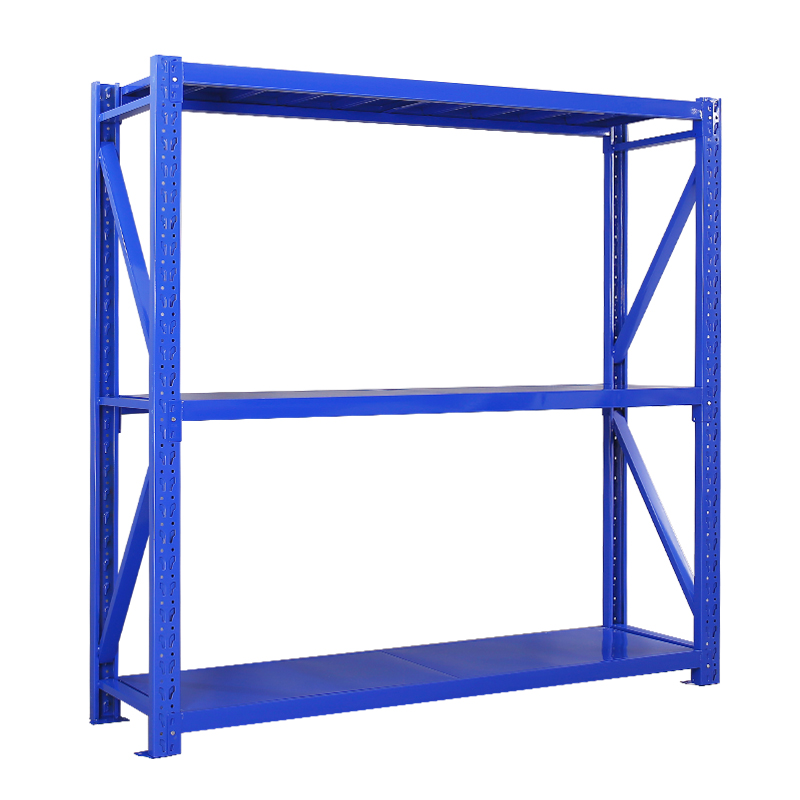
Load capacity defines system safety. A tire rack load capacity guide helps determine appropriate weight rating per frame and per stacking level. Commercial systems often require 1000 to 1100 kilograms per rack depending on tire type. Dynamic stress from forklift handling must also be considered. Selecting racks with verified structural testing ensures reliable performance and prevents unexpected structural failure.
Warehouse layout influences storage density and operational flow. Measure ceiling height, aisle clearance, and forklift turning radius before selecting a Warehouse Rack configuration. Vertical stackable designs can increase usable storage space by over 40 percent in some facilities. Modular systems allow businesses to adjust layout during peak seasons without rebuilding infrastructure.
Efficient retrieval reduces downtime. Adjustable beams and dedicated segmentation help organize various tire sizes. Four-way forklift access improves handling speed. In Tire Racks for auto shops setup, mobility and direct workstation access significantly improve service productivity. Clear layout planning also reduces picking errors and improves stock visibility.
Material selection directly impacts lifespan. High-strength cold-rolled steel offers excellent load resistance. Powder-coated or galvanized finishes enhance corrosion resistance and protect against surface wear. Reinforced welding prevents fatigue at stress points. Durable construction lowers long-term maintenance cost and supports industrial-grade reliability.
Modern operations require adaptable systems. Stackable Tire Storage Racking System designs allow 4–6 vertical layers without permanent floor anchoring. This modular structure supports seasonal adjustment and relocation flexibility. For rented facilities, non-bolted systems provide structural stability without permanent modification.
Inventory protection remains essential. Locking options and anti-collapse stacking reduce theft and accident risk. Engineered support beams prevent irreversible tire deformation during long-term storage. Stable base design compatible with forklift handling ensures safer operations.
Routine inspection extends system lifespan. Buyers should verify whether the supplier provides structural warranty and compliance documentation. Preventive maintenance reduces unexpected failure and protects long-term investment.
Tip: Choose systems that include structural warranty to ensure high-frequency operational safety.
Different storage environments require different rack structures. Understanding configuration trade-offs supports better purchasing decisions.
Wall-mounted Tire Racks maximize vertical space in compact areas. They require strong mounting surfaces but free valuable floor area. Freestanding racks offer flexible placement and are ideal for large warehouse operations. However, they occupy floor space and require stable base design.
Stackable racks act as modular storage units. They support forklift handling and high-density vertical stacking. Fixed shelving provides permanent structural alignment in long-term facilities. Stackable systems are often preferred in logistics centers that experience seasonal demand shifts.
Mobile units improve maneuverability and support rapid workstation transfer. While load rating may be lower than heavy duty systems, mobility enhances efficiency in service centers and retail shops.
Configuration | Best Application | Key Benefit | Limitation |
Wall-Mounted | Small facilities | Saves floor space | Limited capacity |
Freestanding | Large warehouses | Flexible placement | Uses floor area |
Stackable | 3PL & logistics | High vertical density | Requires forklift |
Mobile | Auto shops | Easy movement | Lower load rating |
Selecting the right Warehouse Rack supplier is as important as selecting the rack itself. A storage system may look strong on paper, but without proper engineering validation and manufacturing standards, long-term performance can suffer. In B2B environments such as logistics centers, automotive warehouses, and manufacturing plants, structural failure is not just an inconvenience. It can cause inventory damage, workflow disruption, and safety liability. Evaluating a supplier requires reviewing certifications, engineering capability, customization capacity, and post-sale commitment. A structured assessment process reduces procurement risk and ensures the Tire Rack Storage System will perform reliably under real operating conditions.
A professional Warehouse Rack supplier provides ISO and CE certification as proof of compliance with international standards. Certification demonstrates that the manufacturer follows regulated production processes and quality control systems. However, documentation alone is not enough. Engineering support plays a critical role in system reliability. CAD layout planning allows buyers to visualize rack configuration within actual warehouse dimensions. Load simulation helps verify structural strength under real working conditions, including forklift impact and stacked weight pressure. These engineering tools reduce design errors before installation begins. As a result, businesses avoid costly modifications and improve structural reliability from day one.
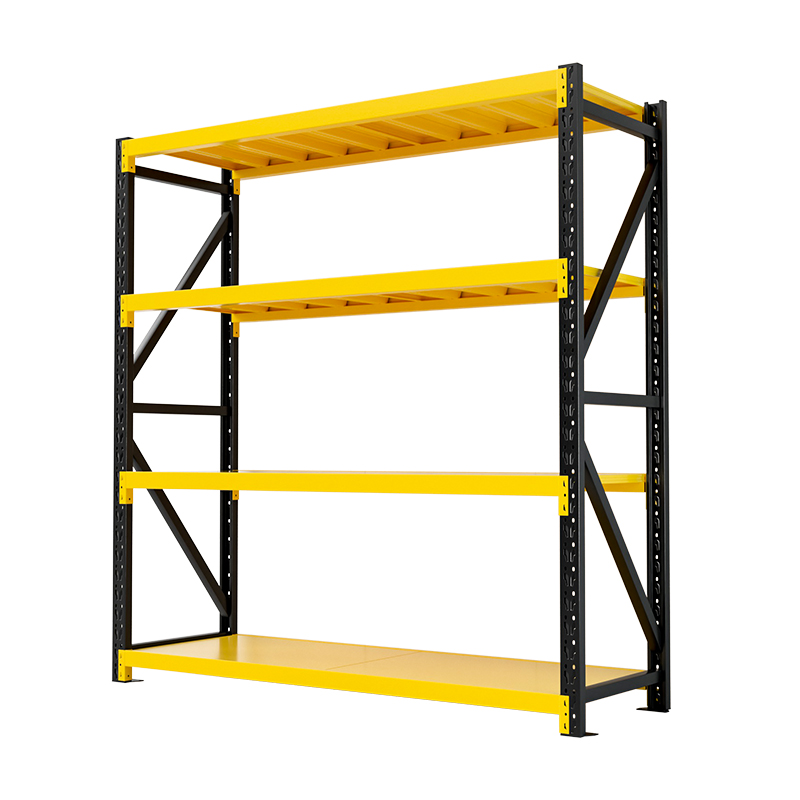
Suppliers with long-term export manufacturing experience often understand global compliance standards and diverse operational environments. Experience in automotive, 3PL, and manufacturing sectors indicates that the supplier designs heavy duty storage solutions for demanding use cases rather than light commercial applications. Engineering-focused manufacturers test products for repeated loading cycles, stacking pressure, and transportation stress. This practical knowledge helps prevent under-engineered designs. When a supplier demonstrates familiarity with high-turnover warehouses and heavy tire categories, buyers gain confidence that the system will withstand daily operational pressure without structural fatigue.
Standard racks may not fit every facility layout. Custom tire rack solutions ensure compatibility with PCR, TBR, and OTR tire dimensions while maintaining correct beam spacing. Tailored design improves load distribution and reduces deformation risk. One-stop service from design to delivery simplifies procurement and reduces coordination complexity between vendors. After-sales support also matters. Reliable suppliers provide structural warranty, maintenance guidelines, and technical consultation. This support enhances system longevity and protects operational continuity. Without after-sales service, minor structural issues may escalate into costly downtime.
Supplier Criteria | Importance | Business Outcome |
ISO/CE Certification | Compliance assurance | Reduced legal risk |
Engineering Design | Accurate layout | Higher efficiency |
Modular Customization | Operational fit | Scalable growth |
Structural Warranty | Long-term reliability | Investment protection |
In the heavy-duty storage segment, brands such as Shibang provide industrial-grade Tire Storage Racking Systems designed for modular stacking, forklift compatibility, and long-term durability. Their stackable and foldable architecture reflects a mobile warehouse concept, allowing racks to function as both storage units and logistics turnover carriers. This type of design improves flexibility during seasonal demand changes and reduces secondary handling costs in B2B warehouse environments.
Choosing the right Tire Rack Storage System requires a structured decision-making process. Instead of focusing only on dimensions and price, businesses should evaluate operational flow, structural strength, and long-term scalability. Each step below addresses a specific risk area and links it to measurable business outcomes.
Begin by identifying tire categories and average unit weight. Passenger tires require lower load capacity than truck or off-road tires. Heavier products demand reinforced frames and higher stacking limits. Accurate weight calculation prevents under-engineered installations and structural overload. When storage volume fluctuates seasonally, factor peak inventory levels into design planning. Clear assessment reduces safety risk and ensures the selected heavy duty Tire Racks meet real operational demand.
Evaluate picking frequency and forklift usage. High-turnover facilities benefit from stackable systems that allow quick forklift access. Service centers may require mobile racks for rapid workstation transfer. If workflow involves batch processing and high vertical density, modular stacking improves efficiency. Aligning rack type with operational flow reduces congestion, shortens retrieval time, and improves employee productivity. When storage design supports daily movement patterns, the warehouse functions more smoothly.
Upfront price should not determine final selection. Analyze total lifecycle cost, including maintenance frequency, expected lifespan, and potential downtime expense. Durable heavy duty Tire Racks reduce repair costs and structural replacement frequency. Stronger materials and reinforced welds may increase initial investment, but they lower long-term operational risk. Sustainable growth depends on storage systems that remain reliable under continuous use.
Even high-quality racks require correct installation. Confirm stacking limits, anchor requirements, and forklift clearance guidelines before operation begins. Improper installation can lead to uneven load distribution and structural instability. Compliance documentation should be reviewed and archived for safety audits. Proper setup ensures the Tire Rack Storage System performs according to engineering design and maintains structural integrity over time.
Note: Even premium systems require correct installation to maintain structural integrity and warranty validity.
Selecting the wrong rack system often results from overlooking technical details. Avoiding common mistakes protects both inventory and long-term investment.
Overloading racks creates structural stress and increases collapse risk. Some buyers calculate average load instead of maximum potential stacking weight. This miscalculation leads to beam deflection and frame fatigue. Always follow load capacity recommendations and verify stacking limits before use.
Many warehouses fail to utilize ceiling height effectively. Floor stacking wastes cubic space and limits expansion. Stackable Tire Racks maximize vertical efficiency and reduce warehouse footprint. This approach improves density without increasing facility size.
Low-cost systems may lack reinforced welding, corrosion protection, or certified structural testing. Initial savings often lead to higher maintenance cost and shorter service life. Evaluating material thickness, coating quality, and structural warranty helps prevent premature replacement.
Storage needs evolve as business grows. Non-modular systems restrict layout changes and require costly redesign. Choosing scalable industrial Tire Racks supports flexible expansion and long-term operational stability. Forward planning reduces disruption and protects capital investment.
Choosing the right Tire Rack Storage System requires careful review of load strength, layout design, and supplier reliability. The best tire racks for warehouse storage combine heavy duty durability and modular flexibility. Shibang offers industrial Tire Storage Racking Systems that improve space use, safety, and long-term operational stability for growing businesses.
A: A Tire Rack Storage System is an industrial tire storage system designed to organize, protect, and stack tires safely in warehouses or auto shops.
A: Use a tire rack storage system buying guide, check load ratings, layout fit, and select certified industrial Tire Racks for warehouses.
A: Heavy duty Tire Racks prevent collapse, protect sidewalls, and improve safety in high-volume warehouse rack environments.
A: Cost depends on load capacity, material strength, and customization, but durable systems lower long-term repair and replacement expenses.


