Phone / Whatsapp:+8615618993196
Views: 0 Author: Site Editor Publish Time: 2026-03-02 Origin: Site
Tires take more space than you think. Poor stacking causes damage and safety risks. Tire racks for warehouse storage solve this problem fast. In this guide, you will learn about industrial tire rack systems, heavy duty tire racks, and how to choose the right warehouse rack for tires, including reliable solutions like Shibang Tire Storage Racking Systems.
Industrial tire rack systems are purpose-built structures designed to support tires vertically or horizontally while preventing sidewall stress and deformation. Unlike general warehouse rack systems, they account for circular load distribution. Beams and support arms are spaced to cradle tires evenly, reducing pressure points that cause flat spots. Many heavy duty tire racks use high-strength cold-rolled steel such as Q235 and are rated around 1000–1100 kg per unit, ensuring stable long-term performance. For example, Shibang’s Tire Storage Racking System applies calculated beam spacing and reinforced frames to prevent long-term deformation, especially in bulk PCR, TBR, or OTR storage environments. This approach improves structural reliability while maintaining consistent inventory organization.
A standard warehouse rack is built for pallets or cartons. Tires behave differently. They flex under weight and can shift if not supported properly. Tire racks for warehouse storage include curved or specially spaced cross beams that stabilize the load. Advanced systems also support stackable configurations, allowing 4–6 vertical layers without fixed floor anchoring. This modular flexibility enables layout adjustment during peak seasons. In engineering-focused product lines such as Shibang’s stackable tire racks, the design supports four-way forklift entry. This reduces handling time and increases logistics efficiency, especially in 3PL and automotive distribution centers.
Improper stacking leads to deformation, surface cracking, and workplace injury risk. When tires sit directly on the floor, moisture exposure increases corrosion risk on wheels. Organized Tire Racks elevate products, improve ventilation, and reduce ergonomic strain. Scientific support spacing helps preserve tire roundness during long-term storage, protecting resale quality. Over time, this reduces replacement costs and improves customer satisfaction.
Tip: Select racks with documented load ratings and forklift compatibility to improve operational safety.
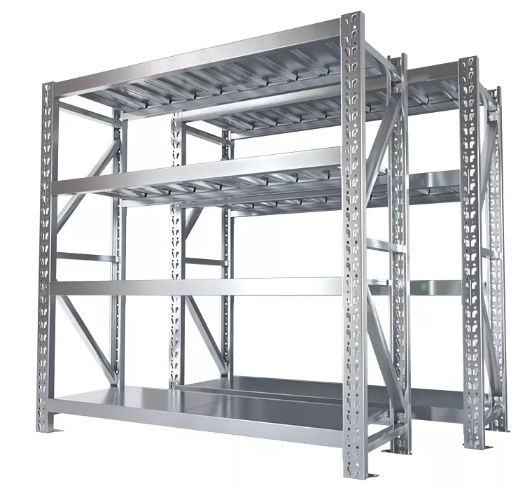
Wall-mounted Tire Racks are ideal for smaller garages or retail shops. They maximize vertical space and free floor area for tools. However, wall strength must be verified to ensure safe anchoring. These systems work best for moderate inventory volume.
Freestanding systems offer layout flexibility. They do not rely on wall support and can be relocated when storage plans change. Industrial tire rack systems in large warehouses often use modular frames that allow scalable expansion. Some advanced heavy duty storage solutions adopt a “mobile warehouse” concept, where racks act as both storage and transport units. This reduces secondary handling and improves turnaround efficiency.
Mobile tire racks use casters or forklift-accessible bases for easy repositioning. Stackable tire racks provide vertical density without permanent floor bolts. For seasonal inventory cycles, foldable or removable posts allow collapsed storage when not in use, reducing idle space and transport cost.
Heavy duty tire racks are designed for commercial truck and off-road tires. Reinforced steel frames and powder-coated surfaces improve durability in demanding environments. With corrosion-resistant finishing and industrial-grade construction, these racks often deliver service life beyond 10 years when properly maintained.
Type | Best Use Case | Key Advantage | Limitation |
Wall-Mounted | Small garages | Saves floor space | Requires structural wall |
Freestanding | Warehouses | Flexible layout | Uses floor area |
Stackable | Seasonal peaks | High vertical density | Requires forklift |
Heavy Duty | Distribution centers | 1000kg+ capacity | Higher investment |
Selecting the right tire racks for warehouse storage requires more than checking dimensions and price. You need to evaluate structural capacity, workflow compatibility, material durability, and long-term expansion potential. Tire storage involves dynamic handling, forklift interaction, and seasonal volume fluctuations. A well-chosen system supports safety, improves inventory turnover, and reduces hidden operational costs. Below are the key evaluation areas every warehouse manager should analyze before making a purchase decision.
Load capacity is critical. A tire rack load capacity guide helps determine safe weight per level and per frame. Overloading causes structural stress, beam deflection, and long-term fatigue, which may result in collapse or compliance violations. For commercial operations, racks rated near 1000 kg per frame provide strong baseline support for passenger and light truck tires.
However, load rating should not only reflect total weight. It must consider load distribution, stacking method, and forklift impact. If racks are stackable up to four or six levels, the lower units must withstand cumulative vertical pressure. Always verify whether the load rating applies to static storage or dynamic handling conditions. Choosing a rack with documented structural testing data ensures predictable safety performance and reduces liability exposure.
Warehouse layout directly affects storage efficiency. Measure ceiling height, aisle width, column spacing, and forklift turning radius before selecting a warehouse rack for tires. Vertical stacking often increases storage density by up to 40% compared to floor stacking, especially when ceiling clearance is fully utilized.
Modular rack systems allow layout flexibility during seasonal demand shifts. During peak seasons, stackable racks can increase vertical density. During off-peak periods, foldable or removable posts reduce idle footprint. Efficient layout planning also improves picking speed and reduces forklift congestion, which lowers handling time and operational risk.
Material selection determines lifespan and structural reliability. Cold-rolled steel frames resist bending under repetitive loading. Thicker uprights provide stronger resistance against forklift contact. Reinforced welding prevents joint fatigue over years of operation.
Surface finishing is equally important. Powder coating improves scratch resistance and corrosion protection. Galvanized finishing performs well in humid or coastal environments. These protective layers extend rack service life and reduce maintenance frequency. When evaluating heavy duty tire racks, inspect steel thickness, weld consistency, and coating quality to ensure long-term performance.
A dependable warehouse rack supplier provides more than product delivery. Look for ISO and CE certification, structural testing documentation, and export experience. Engineering-driven manufacturers offer CAD layout planning and load simulation before production. This reduces design errors and improves installation accuracy.
Companies such as Shibang, with over 18 years of export manufacturing experience, focus on heavy-duty storage solutions and long-term structural warranty. Their modular Tire Storage Racking System designs emphasize stackable frames, forklift accessibility, and durable steel construction, which strengthens buyer confidence in demanding B2B operations.
Note: Verify whether the rack supports forklift access, stackable configuration, and documented load certification before purchase.
 、
、
Heavy duty tire racks deliver measurable operational and financial advantages. They are engineered for high-capacity storage, repetitive handling, and long-term structural reliability. Below are the key benefits that impact warehouse performance.
Vertical stacking multiplies storage capacity without increasing footprint. Instead of occupying floor area, racks utilize ceiling height effectively. This improves storage density and reduces cost per square meter. In high-rent industrial zones, vertical storage significantly lowers warehouse expansion pressure.
Stackable systems also support seasonal scalability. During peak periods, additional layers increase density. During slower months, racks can be separated or folded to free working space. This adaptability enhances overall warehouse efficiency.
Organized racks reduce manual lifting strain and eliminate unstable tire piles. Four-way forklift entry simplifies loading and unloading operations. Lockable stacking designs prevent collapse during handling.
By storing tires at ergonomic height, workers avoid excessive bending and twisting. This reduces musculoskeletal injuries and improves daily productivity. In high-volume logistics centers, improved safety directly reduces downtime and insurance claims.
Scientific beam spacing distributes weight evenly and prevents irreversible sidewall deformation. Elevated storage reduces moisture contact and floor contamination. Proper ventilation also minimizes rubber degradation caused by humidity and temperature fluctuations.
Over time, maintaining structural tire integrity protects resale value and reduces waste. This is especially important for seasonal inventory stored for extended periods.
Clear rack segmentation improves SKU visibility and product categorization. Organized rows allow faster retrieval and lower picking errors. In distribution centers handling thousands of units, structured storage improves fulfillment speed and customer satisfaction.
Benefit | Operational Impact | Financial Result |
Vertical Density | Higher capacity | Reduced storage cost |
Safety Design | Fewer injuries | Lower liability |
Protection | Reduced deformation | Higher resale value |
Modular Use | Layout flexibility | Lower relocation cost |
Tire racks for auto shops simplify seasonal rotation and customer tire storage. Organized racks reduce clutter and improve professional appearance. Elevated storage protects customer assets and builds trust.
In high-traffic service centers, quick access to inventory shortens waiting time. This improves service efficiency and customer satisfaction.
Heavy duty tire racks in logistics centers manage bulk shipments efficiently. Stackable modular systems reduce idle space during off-peak months. Forklift-compatible designs improve handling speed and reduce loading time.
For 3PL providers, modular tire racks support changing contract volumes without major infrastructure changes. This flexibility enhances operational resilience.
Retail stores benefit from structured storage that protects tire quality. Organized presentation improves brand perception and operational transparency. Clean rack systems also support better stock monitoring and loss prevention.
Adjustable beams allow multiple tire sizes within one structure. This reduces the need for separate storage systems and supports scalability as product mix changes.
Powder-coated or galvanized finishes increase durability in humid or temperature-variable regions. This reduces long-term maintenance cost and structural degradation.
Thicker uprights and reinforced joints resist long-term load stress and forklift contact. This enhances overall structural lifespan.
Custom tire rack solutions allow integration with mezzanine floors or pallet racking systems. Modular designs support future expansion without full system replacement. Engineering-driven suppliers can tailor configurations for 3PL, automotive, and cold chain operations, ensuring alignment with operational workflow.
Inspect beams, welds, stacking points, and anchors monthly. Identify bending, corrosion, or loose connections early. Preventive maintenance avoids major structural failure and protects compliance status.
Maintain stable temperature and avoid direct sunlight exposure. Excessive heat accelerates rubber degradation. Controlled ventilation prevents moisture buildup and mold formation.
Store tires away from solvents, lubricants, and chemicals. Chemical interaction weakens rubber structure and reduces product lifespan.
Remove debris and standing water regularly. Clean surfaces reduce corrosion risk and extend rack service life.
Tip: Maintain documented inspection records to support safety audits and insurance compliance.
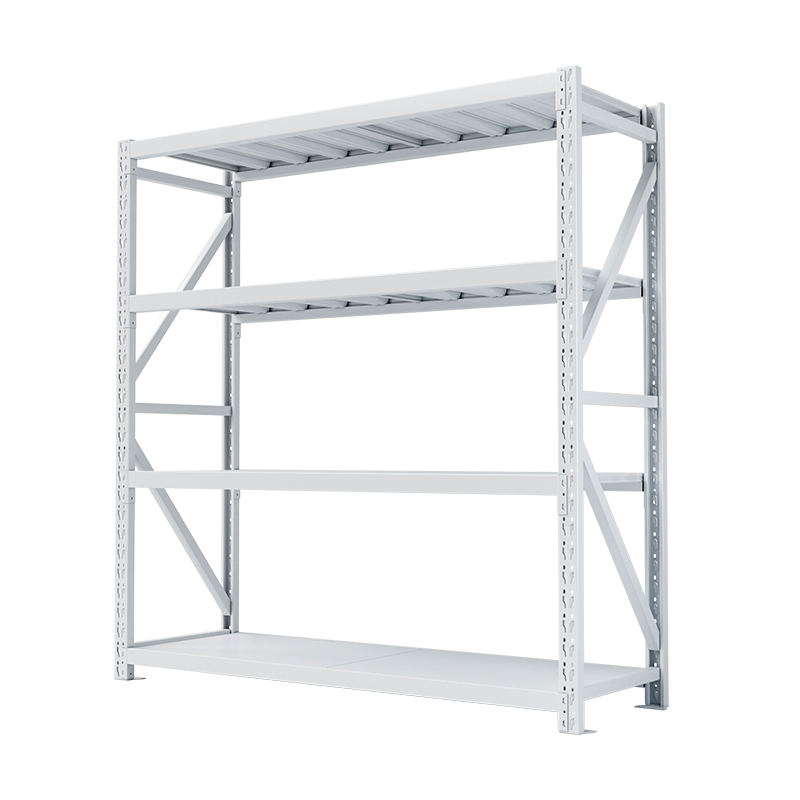
General racks lack tire-specific support geometry. Dedicated Tire Racks distribute circular load more evenly and reduce sidewall stress. This prevents deformation and improves long-term storage quality.
Initial investment in heavy duty tire racks may be higher than generic shelving. However, long-term savings result from reduced product damage, higher vertical density, and improved operational speed. Engineering-grade heavy duty storage solutions offer stronger lifecycle value and better return on investment compared to standard warehouse shelving systems.
Factor | Tire Racks | General Warehouse Rack |
Load Design | Tire-specific | Pallet-focused |
Protection | High | Moderate |
Vertical Stack | 4–6 Levels | Limited |
Lifecycle ROI | Strong | Variable |
Tire racks are vital for safe and efficient tire storage in warehouses and auto shops. The right system improves space use, protects inventory, and supports smooth workflow. Shibang provides industrial-grade Tire Storage Racking Systems with stackable design and high-strength steel, helping businesses achieve durable, flexible, and reliable storage performance.
A: Tire racks for warehouse storage organize heavy tires safely, reduce floor clutter, and improve workflow in automotive storage systems.
A: Use a tire rack load capacity guide, check steel quality, and ensure industrial tire rack systems match your layout and weight needs.
A: Industrial tire rack systems support round loads evenly, protect sidewalls, and prevent deformation better than standard warehouse rack options.
A: Custom tire rack solutions improve space use, scalability, and long-term efficiency, offering better value than basic tire storage racks.


