Phone / Whatsapp:+8615618993196
Views: 0 Author: Site Editor Publish Time: 2025-12-01 Origin: Site
In hazmat storage, the stakes go far beyond organization—they involve severe financial and legal survival. For facility managers, a single oversight can result in massive EPA fines or catastrophic failures. This guide focuses strictly on industrial-grade compliance for heavy-duty infrastructure. We’ll analyze how to handle bulk inventory like 55-gallon drums while solving your biggest operational challenge: balancing storage density with safety and legal segregation.
Segregation is Non-Negotiable: Chemical compatibility dictates the warehouse layout, not just space optimization.
Infrastructure Matters: Standard shelving often fails compliance; specialized warehouse racks with integrated containment are required.
Volume Dictates Rules: Your status as a generator (VSQG vs. LQG) determines strictly how long you can store waste before removal.
The Cost of Mixing: Mixing hazardous with non-hazardous waste exponentially increases disposal costs—segregation saves money.
Before you purchase a single containment pallet or design a racking layout, you must determine your legal profile. Your status as a hazardous waste generator dictates your storage timeline, volume limits, and the structural requirements of your facility. Operating without knowing your specific generator category is a fast track to regulatory penalties.
The Environmental Protection Agency (EPA) categorizes facilities based on the volume of hazardous waste they produce monthly. These categories are not merely administrative titles; they define your operational hard limits.
VSQG (Very Small Quantity Generator): If you generate less than 220 lbs (approximately 100 kilograms) of hazardous waste per month, you likely fall into this category. VSQGs face fewer administrative burdens but are still subject to limits on total on-site accumulation. Once you exceed 2,200 lbs of accumulated waste, you may lose this status and trigger stricter rules.
SQG & LQG (Small and Large Quantity Generators): As volume increases, regulations tighten significantly. Small Quantity Generators (SQG) typically have 180 days to move waste off-site, while Large Quantity Generators (LQG) are restricted to a 90-day storage window. This strict timeline requires rapid inventory turnover and a highly efficient logistics chain to ensure waste is transported before the clock runs out.
Compliance is rarely governed by a single entity. You must navigate a matrix of regulations where different agencies prioritize different risks. Understanding who looks for what can help you prepare for audits effectively.
| Agency | Primary Focus | Key Compliance Area |
|---|---|---|
| OSHA | Worker Safety | Ensuring proper labeling, accessible Safety Data Sheets (SDS), and safe handling procedures to prevent injury. |
| NFPA | Fire Prevention | Dictating storage codes for flammables (Class I-III liquids), ventilation requirements, and fire suppression systems. |
| EPA / DOT | Environmental & Transport | Protecting soil/water via stormwater Best Management Practices (BMPs) and ensuring containers are road-ready. |
You cannot design a safe storage footprint without a granular understanding of your inventory. Conduct a comprehensive material audit to classify every item by UN and GHS standards. You need to know if you are holding Explosives, Compressed Gases, Flammable Liquids, or Corrosives. This audit serves as the foundation for your facility design; it tells you which materials can share a zone and which must be isolated by firewalls or distance.
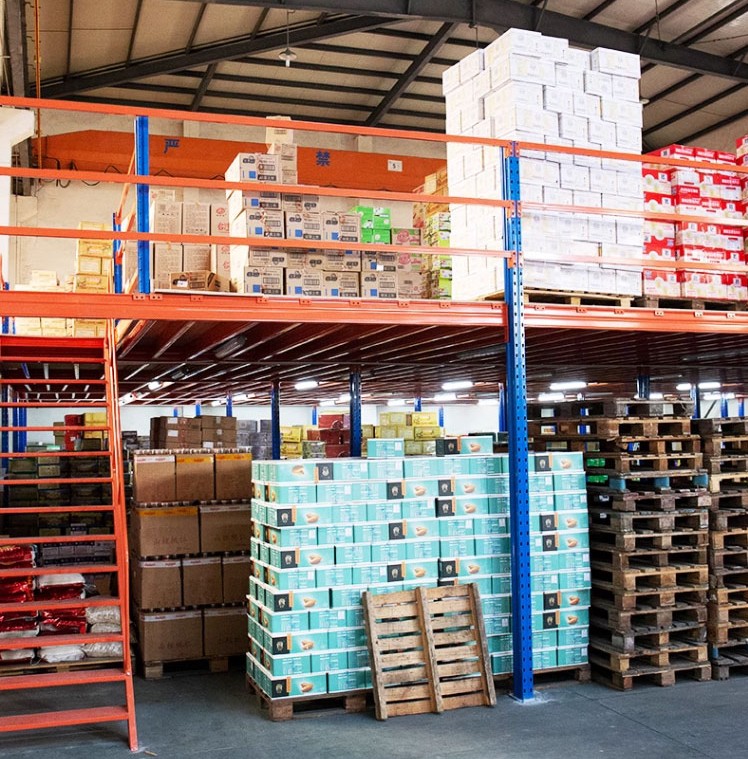
The most critical error in warehouse design is organizing inventory alphabetically or by product ID. Chemical compatibility must dictate your layout. If you ignore the chemical properties of your inventory, you risk creating an environment where a minor leak becomes a catastrophic reaction.
To prevent disasters, prioritize segregation based on hazard class. We recommend following a logic flow that isolates the most volatile materials first. A standard hierarchy prioritizes Pyrophorics and Water Reactives—materials that can ignite spontaneously or upon contact with moisture—above all else. Following these, Flammables must be separated from oxidizers, and Corrosives must be isolated from everything else. Finally, Toxics should be secured to prevent unauthorized access or accidental exposure.
Certain chemical combinations are notorious for causing violent reactions. Warehouse managers must be vigilant against these common "incompatible" traps that often occur when relying solely on broad categories.
Acids vs. Bases: Never store acids and bases (alkalis) in the same secondary containment. If they mix, they undergo a violent neutralization reaction that generates intense heat and toxic fumes. They must be physically separated.
Flammables vs. Oxidizers: This is the classic "fuel plus ignition" risk. Oxidizers release oxygen that fuels fires, while flammables provide the combustible material. Storing them together effectively builds a bomb waiting for a spark.
Specific Chemical Blind Spots: Be wary of chemicals with multiple hazards. A prime example is Glacial Acetic Acid. While it is an acid, it is also a flammable liquid. If you store it in a standard corrosive cabinet lacking fire protection, you violate fire codes. It generally belongs in a flammable storage cabinet, segregated from oxidizing acids like Nitric Acid.
Safety is also a matter of vertical placement. Gravity dictates that leaks flow downward, so your racking strategy must account for this.
Store corrosives and heavy liquid containers below eye level. This prevents dangerous chemicals from splashing onto a worker’s face or upper body if a container is compromised during picking. Furthermore, ensure heavier drums are placed on the bottom levels of your Warehouse Rack systems. This lowers the center of gravity for the entire structure, reducing the risk of collapse during seismic events or accidental forklift impacts.
Industrial warehousing of hazardous materials requires hardware that can withstand harsh conditions. Standard retail shelving is insufficient; you need engineered solutions designed for durability, load capacity, and chemical resistance.
The material of your storage system is just as important as the layout. Standard steel racks can fail rapidly in corrosive environments. If you store strong acids or bases, the vapors alone can corrode structural steel over time, compromising the rack's integrity. For these areas, you should evaluate galvanized or powder-coated industrial warehouse racks specifically treated to resist chemical attack. For high-density flammable storage, fire resistance is paramount. This often involves integrating in-rack sprinkler systems directly into the racking structure to ensure water reaches the source of a fire immediately, rather than being blocked by pallets above.
Different operational models require different rack types. Choosing the wrong system can lead to inefficient handling or expired inventory.
Selective Pallet Rack: This is often the best choice for high-SKU, low-volume hazardous materials. It provides immediate access to every single pallet. This accessibility is crucial for hazardous waste, as it allows inspectors to visually check the condition of every container without moving others out of the way.
Gravity Flow Racks: For materials with strict shelf lives or volatile stability, a First-In, First-Out (FIFO) system is critical. Gravity flow racks automatically present the oldest inventory for picking first, preventing chemicals from degrading or expiring in the back of a deep storage lane.
Containment is the second line of defense. When a primary container fails, your infrastructure must catch the leak before it reaches the floor drain or soil.
The 110% Rule: Regulatory standards generally dictate that your secondary containment system must be capable of holding 110% of the volume of the largest single container in the storage area, or 10% of the total volume of all containers, whichever is greater.
To achieve this, facility managers are increasingly using warehouse pallet storage racks equipped with specialized containment accessories. Instead of standard solid wood shelves, which can absorb chemicals and become hazardous waste themselves, use steel mesh decking combined with integrated spill sumps. Avoid standard wire mesh if it allows leaks to drip directly onto lower levels; containment trays should be placed at specific intervals to catch drips at the source.
Outdoor Storage Considerations: If you are forced to store warehouse racking systems outdoors due to space constraints, the requirements escalate. You must provide roofing to prevent rain from filling containment sumps (which would displace the capacity reserved for spills). Additionally, 3-sided enclosures and engineered grading are necessary to prevent stormwater from washing contaminants into the local watershed.
Even the best infrastructure cannot compensate for poor unit-level management. The container is the primary vessel ensuring safety, and how you handle it determines the daily risk level of your facility.
Selecting the right container is a matter of chemical compatibility. You must verify that the container material will not react with the waste inside. For example, never use metal drums for strong acids, as they will eat through the metal rapidly. Similarly, Hydrofluoric acid dissolves glass, so it must be stored in specialized plastic containers. Conversely, certain solvents can degrade light polyethylene, requiring heavy-duty steel or specialized polymer drums.
You must also follow the "Head Space" rule. When filling containers with liquid waste, always leave approximately 10% of the volume empty. This expansion space is critical because temperature shifts in the warehouse can cause liquids to expand. Without head space, the internal pressure can cause the container to bulge, leak, or burst.
Closure security is equally vital. Mandate the use of proper screw-type lids. We explicitly ban makeshift seals such as Parafilm, aluminum foil, or plastic wrap. These temporary solutions provide zero protection against vapor release or spills if the container is tipped over.
Proper labeling is your primary communication tool during an emergency. If a firefighter enters your facility during a smoke-filled event, the label on a drum might be the only information they have.
When reusing containers, you must deface or remove old labels completely to prevent confusion. A drum labeled "Olive Oil" that actually contains "Used Motor Oil" is a liability waiting to happen. New labels must include the full chemical name—avoid abbreviations that only your internal team understands. The label must clearly state the hazard class (e.g., Flammable, Corrosive), the start date of accumulation (critical for tracking the 90 or 180-day limit), and the generator's contact information.
Beyond safety, segregation is an economic strategy. There is a strict economic rule in waste management: mixing hazardous waste with non-hazardous trash renders the entire load hazardous. If an employee throws a half-full bottle of solvent into a dumpster of cardboard, that entire dumpster may now require disposal as hazardous waste. Strict segregation at the source is a primary cost-control mechanism that saves thousands in disposal fees.
A compliant facility is maintained through rigorous daily and weekly workflows. Infrastructure degrades, and operational discipline can slip; routine inspections catch these issues before they become violations.
Implement mandatory weekly inspections of the hazardous storage area. During these walkthroughs, examine the warehouse pallet rack structures for signs of corrosion. A corroded upright has significantly reduced load-bearing capacity and may collapse under the weight of heavy liquid drums. Check all containers for signs of leaks, rusting, or bulging. Document these inspections; in the eyes of an auditor, if it wasn't written down, it didn't happen.
Pay close attention to structural damage caused by forklifts. Even minor dents in rack uprights can compromise the integrity of the system. In a hazardous materials zone, a rack collapse is not just an inventory loss—it is a potential environmental disaster.
Despite best efforts, spills occur. Your response protocol must be strictly defined. We enforce a "Dry Cleanup Only" policy for most liquid spills. Prohibit employees from washing spills into floor drains, as this introduces hazardous chemicals into the municipal sewer system, leading to massive fines. Instead, use absorbents like vermiculite, clay, or dedicated spill pads to soak up the liquid.
Signage is critical for access control. Post "DANGER – HAZARDOUS WASTE" signs in large, high-contrast lettering at all entrances to the storage zone. Restrict access strictly to authorized personnel who have received proper training.
Ventilation protects workers from the accumulation of volatile organic compounds (VOCs). Ensure your HVAC system provides adequate air exchange rates (ACH) to keep vapor concentrations below permissible exposure limits. A nuance often missed is the venting of storage cabinets. Contrary to intuition, flammable storage cabinets should generally not be vented mechanically unless required by a specific local code. Improper venting can compromise the fire protection rating of the cabinet by creating a channel for fire to enter the interior.
Safe storage of hazardous materials is a convergence of rigid operational discipline and specialized infrastructure. It is not enough to simply buy a rack and place drums on it; you must understand the chemical interactions of your inventory and the legal timelines governing your waste generation.
The final verdict is clear: investing in the correct industrial warehouse racks, proper containment systems, and a robust labeling protocol is significantly cheaper than a single EPA fine or a soil remediation project. A proactive approach protects your workers, your bottom line, and your business continuity.
As a next step, we recommend conducting an immediate audit of your current rack capacities and cross-referencing your inventory with chemical compatibility charts. If your current infrastructure shows signs of corrosion or lacks integrated spill containment, prioritize upgrading your systems before your next regulatory inspection.
A: Incompatible materials generally require physical separation to prevent reactions. While specific distances depend on local fire codes, a common standard is separating incompatible solids by at least 20 feet or using a non-combustible partition that extends at least 18 inches above and to the sides of the stored material. Always consult your Safety Data Sheets (SDS) and local NFPA codes for precise distance requirements based on the specific chemicals.
A: Generally, no. Standard racks are often made of steel that is susceptible to corrosion from fumes or spills. For hazardous waste, you should use racks with chemical-resistant finishes (like galvanized or powder-coated steel) and integrated spill containment measures. Wood decking should be avoided as it absorbs chemicals; steel mesh or containment pallets are superior options.
A: For most generators (SQG and LQG), the Resource Conservation and Recovery Act (RCRA) mandates weekly inspections. You must look for leaking containers, signs of corrosion, proper labeling, and adequate aisle space. These inspections must be documented in a logbook that is kept on-site for at least three years to satisfy regulatory audits.
A: The 110% rule states that your secondary containment system (such as a bunded pallet or sump) must be able to hold 110% of the volume of the largest single container sitting on it. Alternatively, it must hold 10% of the total volume of all containers stored in that area, whichever volume is greater. This ensures that if the largest drum fails completely, the spill is fully contained.
A: Yes, but strict conditions apply. The area must be secure (fenced/locked) to prevent unauthorized access. You must provide weather protection (roofing) to keep rain out of containment sumps and protect containers from direct sunlight, which can increase internal pressure. The racking must also be located at a safe distance from property lines and occupied buildings, as dictated by local fire codes.


