Phone / Whatsapp:+8615618993196
Views: 0 Author: Site Editor Publish Time: 2025-12-05 Origin: Site
Struggling with warehouse pallet racks? Inefficient setups waste space and slow operations. Warehouse pallet storage racks must be planned carefully. In this post, you’ll learn key tips to simplify installation and improve efficiency.
Creating a detailed plan for your warehouse pallet rack layout is essential. It saves time, reduces errors, and maximizes storage efficiency. When you know exactly where each rack will go, you avoid costly mistakes like misaligned aisles or wasted space. A clear plan also helps coordinate installation teams and prevents disruptions during setup. Plus, it allows you to anticipate future growth and adjust your layout accordingly.
Computer-Aided Design (CAD) tools are a game-changer when planning pallet rack layouts. These tools let you create accurate, to-scale models of your warehouse space. You can experiment with different rack configurations and see how they fit before buying or installing anything. CAD software often includes features like automated spacing calculations, load capacity checks, and clearances for forklifts. This precision reduces guesswork and ensures your layout meets safety and operational standards.
Optimizing space means fitting the most storage into your warehouse without sacrificing accessibility or safety. Start by measuring your floor area and ceiling height accurately. Consider aisle widths that accommodate your equipment and workflow. Use vertical space by choosing racks that extend upward while staying stable. Plan for cross aisles and emergency exits to meet regulations. Group similar products together to streamline picking and replenishment. Also, leave room for future expansion or changes in inventory.
Tip: Use CAD software early in your planning to visualize your warehouse layout and prevent costly rework during installation.
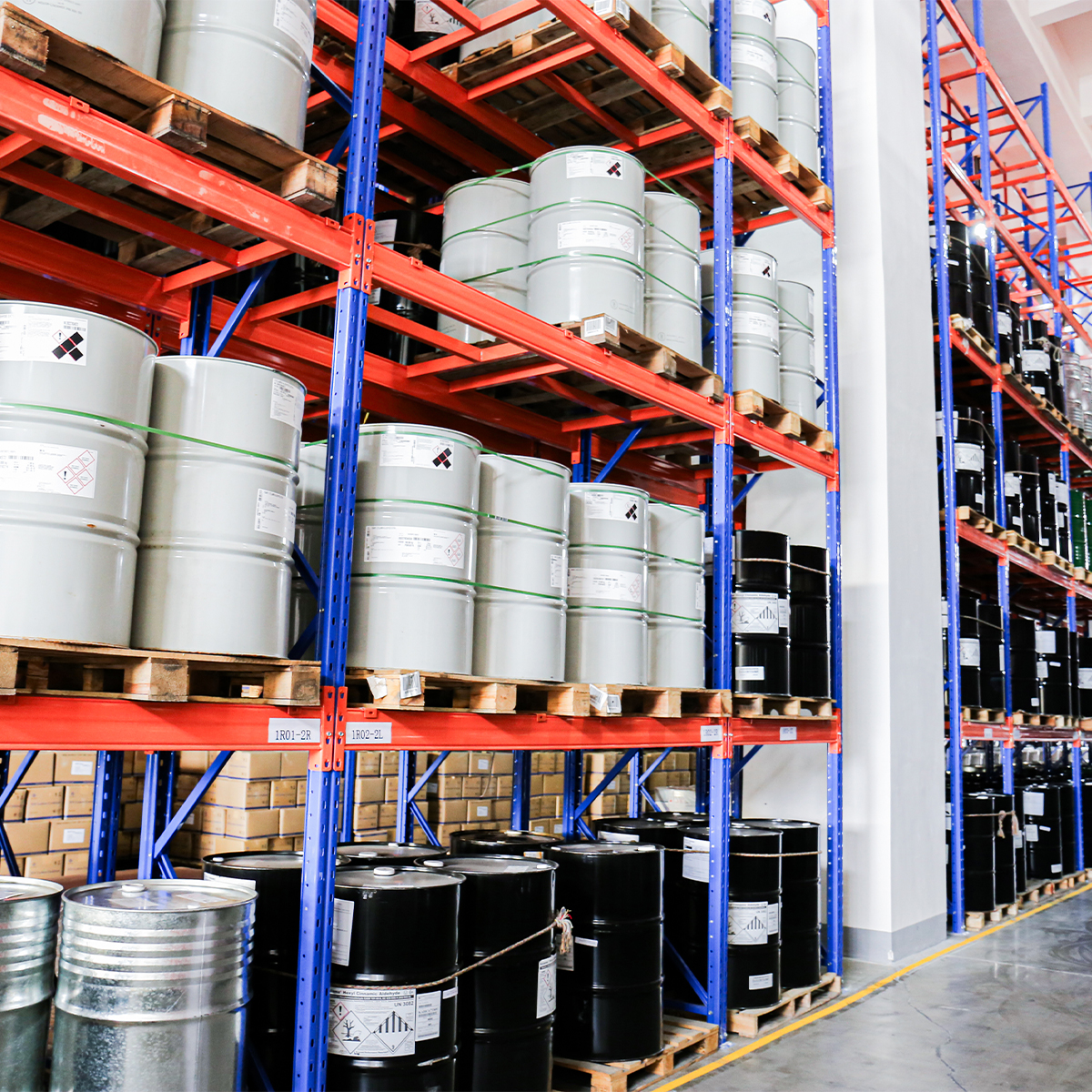
Quality is the foundation of a reliable pallet racking system. High-quality racks offer better strength, stability, and durability, ensuring they safely support heavy loads over time. Poor-quality racks risk bending, warping, or even collapsing, which can cause damage to your inventory and pose serious safety hazards. A sturdy rack system also reduces maintenance needs and downtime, keeping your warehouse operations smooth and efficient. Investing in quality racks means fewer repairs, less risk, and peace of mind knowing your storage system can handle daily demands.
When choosing pallet racks, you’ll find various types and materials available. Common rack types include:
Selective pallet racks: Most common, easy access to every pallet, flexible layout.
Drive-in racks: Maximize space by allowing forklifts to drive inside, best for large quantities of similar items.
Push-back racks: Pallets stored on carts that move back as new pallets are loaded, good for last-in-first-out inventory.
Cantilever racks: Designed for long or bulky items like pipes or lumber.
Materials generally include steel or galvanized steel. Steel racks are strong and durable, while galvanized racks resist corrosion, ideal for humid or outdoor environments.
Compare features like load capacity, adjustability, ease of assembly, and compatibility with your warehouse equipment. Also, check if the racks meet local safety standards and certifications. Choosing the right type and material depends on your inventory type, space, and budget.
Spending more upfront on durable racks pays off over time. Strong racks minimize repair costs and reduce the risk of accidents that can halt operations or cause injuries. Durable racks maintain their shape and load capacity longer, supporting your warehouse’s growth and changing needs. They also improve worker confidence and productivity by providing a safe, organized environment. Additionally, quality racks often come with better warranties and customer support, giving you extra protection for your investment.
Tip: Always prioritize racks certified by recognized safety organizations to ensure durability and compliance with industry standards.
Before bringing in pallet racks, make sure all other essential systems are in place. This includes fire safety equipment, HVAC units, lighting, and any electrical or plumbing work. Installing these systems first prevents the need to move racks later, saving time and avoiding damage. For new warehouse builds, coordinate with contractors to complete these installations before rack setup. In existing warehouses, verify that these systems are fully operational and won't interfere with rack placement.
A clean, clutter-free space makes installation quicker and safer. Remove debris, old equipment, and any obstacles from the rack area. Sweep and mop the floor to reduce dust and dirt that might affect assembly or worker safety. Clear pathways for forklifts and installation teams to move freely. Organize tools and materials nearby but out of the way. This preparation helps prevent accidents and keeps the project on schedule.
Safety is crucial during rack installation. Ensure all workers wear proper personal protective equipment (PPE) like helmets, gloves, and steel-toed boots. Use proper lifting techniques and equipment to handle heavy rack components. Check for overhead hazards and mark off the installation zone to keep unauthorized personnel away. Follow manufacturer guidelines for assembling and anchoring racks securely. Regularly inspect tools and hardware for defects. Having a safety plan and training your team reduces risks and promotes a smooth installation.
Tip: Schedule rack installation after completing all other warehouse systems and thoroughly clean the area to streamline setup and enhance safety.
Start by unpacking all components and checking them against your inventory list. Lay out beams, uprights, braces, and hardware in an organized manner near the installation area. Begin assembling the upright frames first, connecting the vertical beams with horizontal braces. Use a level to ensure each frame stands perfectly straight. Next, attach the horizontal load beams that will hold the pallets. Make sure all locking pins or safety clips are securely in place to prevent accidental dislodging. Assemble racks section by section, following your layout plan closely to avoid mistakes.
Once the racks are assembled, anchor the uprights firmly to the floor using heavy-duty bolts and anchors suitable for your floor type. This step is critical to prevent tipping or shifting under load. Add diagonal braces or cross braces as specified by the manufacturer to increase lateral stability. Check that all connections are tight and that the racks stand level and plumb. For taller racks, consider installing rack protectors or safety barriers at the base to shield against forklift impacts. Finally, verify clearances between racks and aisles to ensure safe and efficient forklift operation.
One common mistake is rushing the assembly and skipping measurements, which leads to misaligned racks and wasted space. Always double-check dimensions before securing racks. Another pitfall is inadequate floor anchoring; failing to bolt racks properly risks collapse and injury. Use recommended anchors and follow torque specifications carefully. Avoid mixing rack components from different manufacturers, as this can compromise stability. Lastly, neglecting safety protocols during installation can cause accidents—ensure all workers wear PPE and follow safe lifting procedures.
Tip: Use a checklist during installation to track each step and catch errors early, ensuring a smooth and safe pallet rack setup.
Hiring a professional team for your pallet rack installation brings many benefits. Experts have the experience to handle complex layouts and large-scale projects efficiently. They know how to follow manufacturer instructions precisely, reducing errors and rework. Professionals use specialized tools and equipment, speeding up assembly and ensuring racks are installed securely. Their expertise helps avoid common mistakes like improper anchoring or misaligned racks that could compromise safety. Plus, a professional team often works faster, minimizing warehouse downtime and disruption to your operations.
Safety is a top priority for professionals during rack installation. They conduct thorough site assessments before starting, identifying potential hazards and planning safe workflows. Pro teams enforce strict use of personal protective equipment (PPE), such as helmets, gloves, and steel-toed boots. They follow best practices for lifting heavy components, using cranes or forklifts when necessary to prevent injuries. Professionals also ensure racks are anchored properly and braces installed exactly per specifications to maintain stability. Their attention to detail and adherence to safety standards reduce the risk of accidents during and after installation. Efficiency comes from their experience—they coordinate tasks smoothly and communicate clearly, avoiding delays and confusion.
You should consider hiring experts in several situations. If your warehouse layout is complex or needs customization, professionals can design and install a system that fits perfectly. Large installations or multi-level racks require precise assembly and anchoring—expertise that saves time and ensures safety. When your team lacks experience or the right tools, bringing in pros prevents costly mistakes. Also, if you need to meet strict safety regulations or certifications, professionals help ensure compliance. Finally, when deadlines are tight, a skilled installation team can complete the project on schedule, letting you focus on other business priorities.
Tip: For large or complicated pallet rack installations, hiring a professional team ensures safety, saves time, and delivers a reliable, compliant storage system.
Regular inspections keep your pallet racks safe and in good shape. Schedule checks at least once every three to six months, or more often if your warehouse sees heavy use. Look for bent beams, cracked welds, loose bolts, or damaged uprights. Also, check for signs of rust or corrosion, especially in humid environments. Inspect the floor anchors to ensure racks remain firmly secured. Use a checklist during inspections to cover all components systematically. Document any damage or wear and prioritize repairs based on severity. Early detection prevents small issues from turning into costly problems or safety hazards.
Preventative maintenance extends rack life and avoids downtime. Train staff to handle pallets carefully and avoid impacts against racks. Install protective guards or barriers at rack bases to shield from forklift collisions. Keep the warehouse floor clean and dry to reduce corrosion risk. Tighten bolts and fasteners regularly to maintain structural integrity. Avoid overloading racks beyond their rated capacity to prevent bending or collapse. Consider applying rust-resistant coatings or paint to metal parts in corrosive environments. Maintain clear aisle spaces to prevent accidental rack damage during forklift operation.
Prompt repairs keep racks safe and functional longer. When inspections reveal damage, act quickly to fix or replace affected parts. Minor dents or loose bolts can be repaired onsite, but severe damage may require professional assessment. Never ignore rack damage, as it compromises load capacity and worker safety. Use manufacturer-approved replacement parts to maintain rack integrity. Keep a supply of common spare parts like bolts, clips, and braces on hand for quick fixes. After repairs, conduct a follow-up inspection to confirm the rack’s stability. Timely maintenance reduces the chance of costly rack failures or warehouse shutdowns.
Tip: Establish a regular inspection and maintenance schedule, and train your team to report rack damage immediately for faster repairs and longer rack life.
Proper planning and using quality pallet racks greatly improve warehouse storage efficiency. Following safety measures and organizing installation steps reduce errors and delays. Investing in professional installation ensures secure, fast setup and compliance with safety standards. Regular maintenance extends rack lifespan and prevents costly repairs. ShiBang offers durable, reliable pallet racks designed to simplify installation and enhance warehouse operations. Their products provide strength, safety, and long-term value, supported by expert services that keep your storage system running smoothly.
A: Warehouse pallet racks are storage systems designed to hold pallets efficiently. They maximize space, improve organization, and ensure safe storage in warehouses.
A: Use CAD tools to design your warehouse pallet racks layout. This helps optimize space, ensures safety clearances, and prevents costly installation errors.
A: Quality racks provide durability, safety, and long-term cost savings by reducing repairs and downtime in your warehouse pallet racks system.
A: Ensure workers use PPE, secure racks to the floor, follow manufacturer guidelines, and keep the area clean to prevent accidents during installation.
A: Hire experts for complex layouts, large projects, or when safety compliance and timely completion are critical for your warehouse pallet racks.
A: Conduct regular inspections, perform preventative maintenance like tightening bolts and avoiding overloads, and address repairs promptly to extend rack life.


