Phone / Whatsapp:+8615618993196
Views: 0 Author: Site Editor Publish Time: 2025-11-28 Origin: Site
Pallet racking is one of the most vital components in modern warehouse management systems. It provides an efficient way to store and organize goods, optimizing warehouse space, improving workflow, and enabling quick retrieval of inventory. With the increasing demand for efficient storage solutions, the pallet racking market has grown substantially. This article will explore everything you need to know about pallet racking, from types to benefits, installation, and safety tips, along with a detailed comparison of various systems and the role of Shanghai Shibang Storage Rack Co., Ltd. in the industry.
Pallet racking refers to a storage system designed for the efficient organization of goods on pallets. It consists of a framework of beams, uprights, and support components that allow pallets to be stored horizontally in rows. The most common application of pallet racking is in warehouses, distribution centers, and retail storage areas.
There are various types of pallet racking systems, each designed for different storage needs. Understanding these systems will help you select the most suitable solution for your warehouse.
Selective pallet racking is the most commonly used system. It allows direct access to each pallet, making it ideal for smaller warehouses where stock rotation is key. With its straightforward design, selective racking provides high accessibility and flexibility.
This system is designed for high-density storage. Forklifts drive into the racking structure to load and unload pallets. It is ideal for businesses with high inventory turnover and minimal need for immediate access to individual pallets. Drive-in racking supports a high volume of goods but limits the accessibility of pallets in the middle of the system.
Push-back racking is used in FIFO (First In, First Out) systems. It allows pallets to be stored on sloped rails. When a new pallet is loaded, it pushes the previous pallets backward. This system is highly efficient for businesses with perishable goods or time-sensitive inventory.
This racking system uses gravity to move pallets along rollers. As a pallet is added from the back, the previously loaded pallets move forward, making it ideal for high-turnover stock. It is a more automated and labor-efficient solution compared to other systems.
Cantilever racking is used for storing long or irregularly shaped items, such as pipes, lumber, or furniture. It features arms that extend out horizontally, allowing goods to be stored without the need for a front column.
Understanding how pallet racking works is essential for choosing the right system for your needs. The key to its efficiency lies in its design and the flow of goods within a warehouse.
The main components of a pallet racking system are the uprights, beams, and decking. The uprights provide the vertical support, while the beams create horizontal rows for pallet storage. Wire decking is often used to create a flat surface for the pallets to rest on. The pallets are loaded and unloaded using forklifts or other material handling equipment.
· Selective Pallet Racking: This system allows for the direct access of each pallet, providing high flexibility. It’s ideal for warehouses where quick access to individual pallets is essential.
· Drive-In Racking: Forklifts drive into the racking system to load or retrieve pallets. This system is ideal for storing large quantities of goods that don’t need to be accessed frequently.
· Push-Back Racking: Push-back racking is often used for warehouses that require efficient use of space and need to store goods in a Last In, First Out (LIFO) manner.
· Pallet Flow Racking: In this system, pallets move forward by gravity on rollers. It’s used in FIFO systems and is perfect for businesses that deal with perishable goods or those requiring rapid inventory turnover.
· Cantilever Racking: Cantilever racking is designed for storing long or awkwardly shaped items that do not fit well into standard racking systems.
Pallet racking systems offer several advantages for warehouses and storage facilities. Below are the main benefits:
Pallet racking maximizes vertical space, making it possible to store more goods in a smaller footprint. This is particularly beneficial for companies looking to optimize warehouse space without expanding their facilities.
A well-designed pallet racking system allows for better organization of goods, which leads to faster inventory retrieval. Products can be categorized, and stock can be rotated based on demand.
By reducing the need for manual handling and allowing for proper storage of goods, pallet racking systems enhance warehouse safety. They minimize the risk of product damage and injuries caused by improper handling.
Efficient pallet racking systems help reduce labor costs by making it easier to organize, retrieve, and restock inventory. The system also improves stock management, leading to fewer stockouts and better product availability.
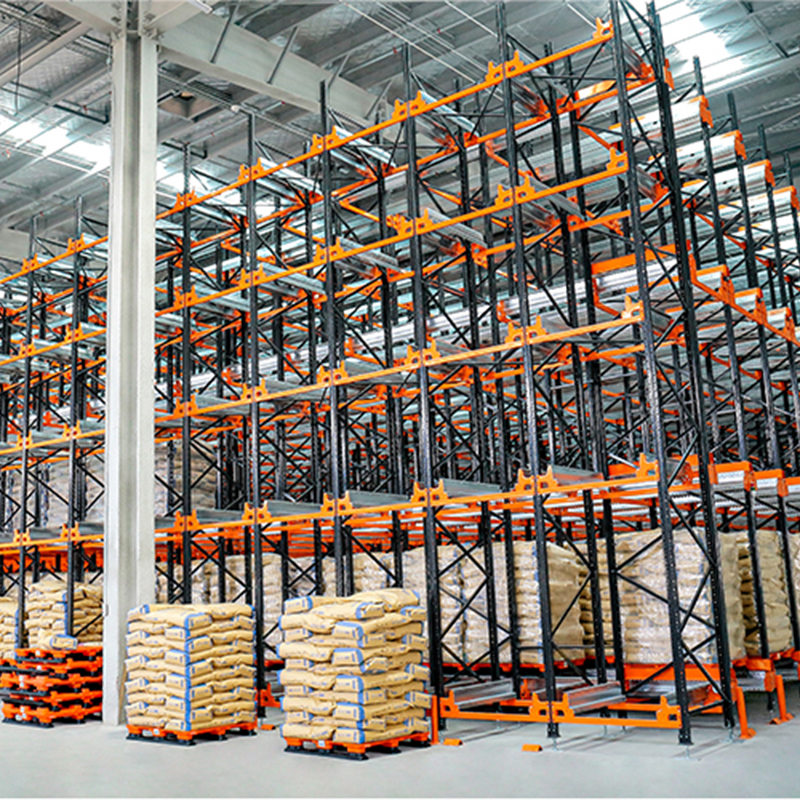
When selecting a pallet racking system, consider the following factors to ensure the system meets your operational needs.
Carefully evaluate the available space in your warehouse. Pallet racking systems require sufficient vertical clearance, aisle width, and floor space. Choosing the right system depends on the layout and size of your facility.
Different types of goods require different types of racking systems. For example, heavy goods may need a more robust system, while perishable goods may require a flow-based system. Understanding the nature of your inventory will guide your decision.
When investing in pallet racking, it’s essential to consider your business’s future growth. Choose a system that can be easily expanded or reconfigured to meet changing storage demands.
Make sure the pallet racking system you choose adheres to industry safety standards. Compliance with OSHA and other regulatory bodies will help prevent accidents and maintain a safe working environment.
The installation of pallet racking involves careful planning and precise execution. It requires the right equipment and expertise to ensure the system is set up safely and correctly. Depending on the complexity of the system, it may take anywhere from a few days to a week to complete the installation.
To ensure the longevity of your pallet racking system, regular inspections are necessary. Check for any signs of damage, such as bent beams, cracked uprights, or faulty decking. Implementing a maintenance schedule will help prevent system failures and ensure smooth operation.
The cost of pallet racking systems can vary based on several factors, including the type of system, the materials used, and the complexity of the installation.
· Material Costs: The price of the system depends on the type of materials used (steel, aluminum, etc.) and the quality of the components.
· Installation Costs: Installation costs vary depending on the complexity of the system and the time required for setup.
· Ongoing Maintenance Costs: Consider the long-term costs of maintaining and inspecting the racking system.
Pallet racking is an essential part of modern warehouse operations. It helps businesses store goods efficiently, maintain a well-organized warehouse, and ensure safety during operations. Shanghai Shibang Storage Rack Co., Ltd., a leading manufacturer of high-quality pallet racking systems, provides a range of solutions designed to meet various storage needs. Their commitment to innovation and quality ensures that businesses can optimize their storage capacity and improve overall efficiency.
Whether you are looking to implement selective racking, drive-in racking, or a more specialized system like pallet flow racking, Shibang’s expertise in custom solutions guarantees that your warehouse operations will run smoothly. With a focus on safety, durability, and cost-effectiveness, Shanghai Shibang Storage Rack Co., Ltd. is a trusted partner in the warehouse storage industry.
Answer: Selective racking allows for direct access to each individual pallet, making it highly flexible and ideal for warehouses with high turnover or frequently accessed inventory. In contrast, drive-in pallet racking is designed for high-density storage where forklifts drive directly into the racking system to load or unload goods. This system limits access to the pallets in the middle, making it more suitable for businesses with low turnover rates and less frequent access needs.
Answer: The weight capacity of a pallet racking system varies depending on the type of racking and its design. Standard selective racking can typically hold between 1,000 to 3,000 kg per pallet, but custom solutions may hold more. Drive-in systems, designed for high-density storage, also have a similar weight capacity but are primarily used for larger quantities of similar items. It’s crucial to consult with the racking supplier for exact specifications based on your needs.
Answer: While it is possible to install pallet racking systems yourself, it’s recommended to hire professional installers, especially for larger or more complex systems. Proper installation ensures the system meets safety standards and performs effectively. Incorrect installation can lead to structural failure, damage to goods, and safety hazards in the warehouse.
Answer: When choosing a pallet racking system, consider the following factors:
· Available space: The layout, ceiling height, and aisle widths of your warehouse will dictate the type of racking system you can use.
· Type of inventory: The size, weight, and turnover rate of your inventory will determine whether you need selective, push-back, or pallet flow racking.
· Future growth: Make sure the system is scalable to accommodate future growth and inventory changes.
· Access needs: Determine whether your goods need to be accessed frequently (selective racking) or if high-density storage with less frequent access is more important (drive-in or pallet flow).
Answer: Pallet racking systems are designed to last for many years with proper maintenance. The lifespan depends on factors like material quality, installation quality, and how well the system is maintained. Steel racking systems, which are the most common, can last up to 20 years or more, but regular inspections are needed to ensure that there is no structural damage due to heavy loads, forklift impacts, or wear and tear.


