Phone / Whatsapp:+8615618993196
Views: 0 Author: Site Editor Publish Time: 2025-12-10 Origin: Site
Are you maximizing your cold storage warehouse space? Efficient warehouse racks are key to success. Poor design wastes space and energy.
Warehouse rack systems organize products and maintain quality in cold environments. They support storage, access, and safety needs.
In this post, you’ll learn about industrial warehouse racks, pallet rack types, and their role in cold storage design.
Before choosing racks, measure your warehouse space carefully. Consider current storage needs and future growth. Calculate product volume and pallet dimensions to estimate total capacity. Remember, cold storage often requires extra room for air circulation around racks. Plan aisles wide enough for forklifts to operate safely and efficiently. Leave space for loading docks and staging areas. Overestimating space needs can prevent costly expansions later.
Different products require different rack types. For example, perishable goods benefit from selective pallet racking, allowing quick access and rotation. Bulk items might suit drive-in racks, maximizing density but limiting access flexibility. Fragile products need racks designed to minimize handling damage. Consider rack materials resistant to cold and moisture, such as galvanized steel. Modular racks offer flexibility to adjust layouts as product lines change. Always match rack design to product weight, size, and handling frequency.
Racks in cold storage must not compromise insulation. Poorly designed racks create cold bridges, increasing energy costs and risking product quality. Use racks designed to minimize thermal transfer, like those with insulated panels or coatings. Position racks to allow even airflow, ensuring consistent temperature and humidity. Integrate environmental controls such as temperature sensors and humidity monitors near racks. These help maintain ideal conditions and alert staff to deviations early. Proper insulation and control reduce spoilage and energy use.
Tip: When designing racks for cold storage, always balance maximum storage density with easy product access and airflow to maintain consistent temperature and reduce energy costs.
Selective pallet racking is the most common and versatile storage system. It offers direct access to every pallet, making it ideal for products with high turnover or varied SKUs. This system allows easy loading and unloading, reducing handling times. It adapts well to different pallet sizes and weights, which suits cold storage environments where product rotation is critical. However, it requires wider aisles, which can reduce storage density.
Drive-in and drive-through racks maximize storage density by allowing forklifts to enter the rack structure to place or retrieve pallets. Drive-in racks have a single entry/exit point, suitable for Last-In, First-Out (LIFO) inventory management. Drive-through racks provide access from both ends, supporting First-In, First-Out (FIFO) flow, essential for perishable goods. These systems reduce aisle space but limit pallet accessibility, so they work best for large quantities of the same product.
Live storage systems use gravity or mechanical assistance to move pallets automatically, improving storage efficiency and product rotation.
Push-Back Racking: Pallets load from the front and push the ones behind back on carts running on rails. This system supports LIFO, stores multiple pallets deep, and reduces aisle space compared to selective racking.
Pallet Flow Racking: Pallets roll on inclined tracks from the loading to the picking side, enabling FIFO inventory management. This system is excellent for perishable goods, ensuring older stock moves out first.
Both systems reduce handling time and optimize space but require careful maintenance to ensure smooth operation.
Mobile pallet racking systems mount racks on mobile bases running on rails, allowing aisles to open only where needed. This maximizes storage density by eliminating fixed aisles. These systems can be manually or electrically operated and are suitable for cold storage where space is limited.
Shuttle pallet racking uses automated shuttle vehicles to move pallets within rack lanes. It offers semi-automated storage and retrieval, improving efficiency and reducing labor costs. Shuttles operate well in freezing temperatures, making them perfect for cold storage warehouses handling large volumes.
Tip: Choose pallet rack systems based on product turnover, storage density needs, and inventory rotation methods to balance accessibility and space optimization effectively.
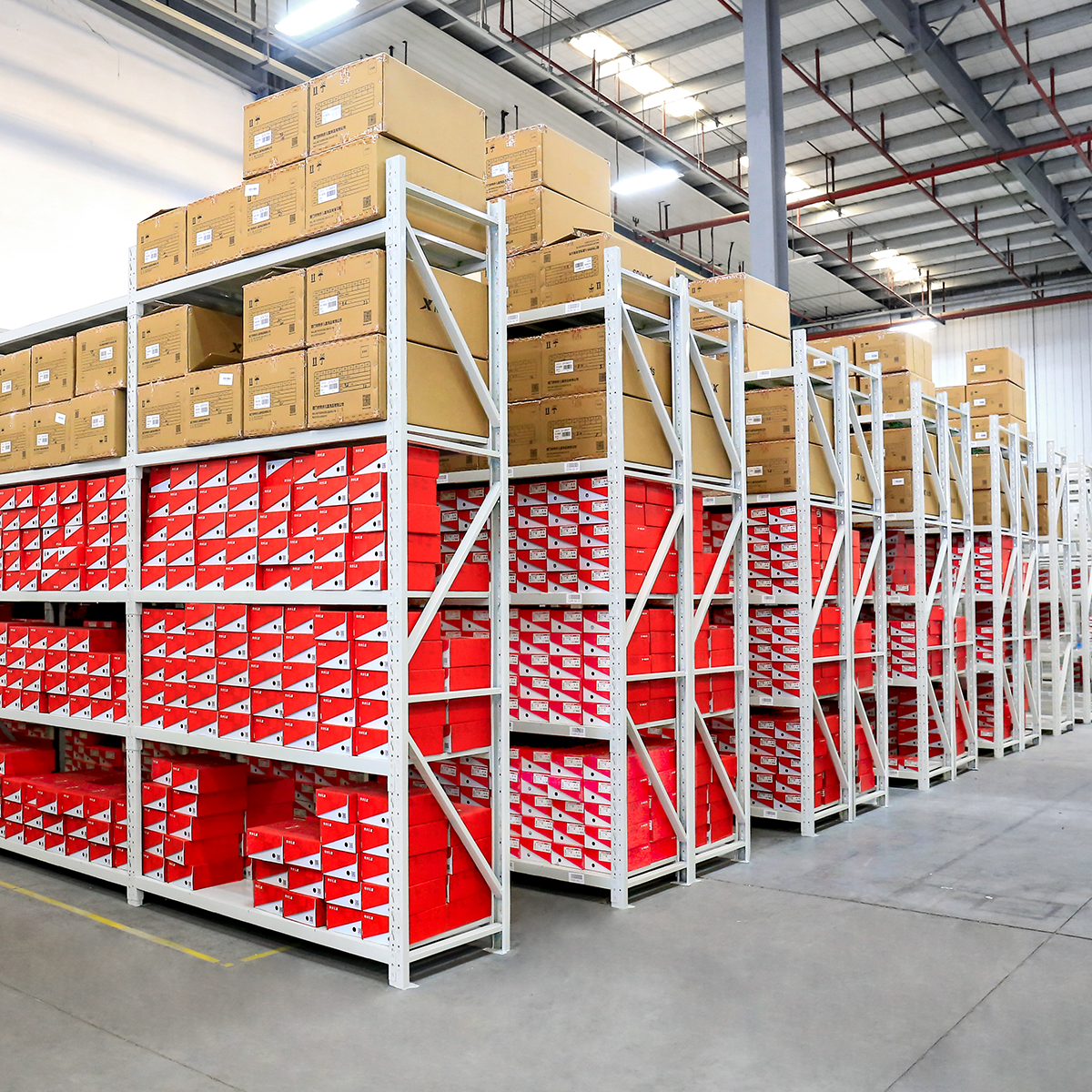
Choosing refrigeration systems that work well with pallet racks is essential in cold storage design. Vapor compression systems are common due to their efficiency and reliability. They circulate refrigerant through coils placed strategically around racks, ensuring even cooling. Absorption refrigeration, though less common, suits facilities with access to waste heat or solar energy.
The rack layout influences refrigeration placement. For example, selective racking needs uniform airflow across aisles for consistent temperatures. High-density systems like drive-in racks require refrigeration that penetrates deep into rack lanes to avoid warm spots. Sometimes, evaporator fans are positioned within the rack structure to boost airflow.
It’s crucial to avoid blocking airflow with racks or stored goods. Designs often include open-frame racks made of galvanized steel to resist moisture and cold, enhancing air circulation. Proper spacing between pallets and rack beams helps maintain temperature uniformity.
Maintaining precise temperature and humidity levels is key for product quality and energy efficiency. Sensors placed near racks continuously monitor conditions. These sensors feed data to control systems that adjust refrigeration output, fans, and humidifiers or dehumidifiers.
Humidity control prevents frost buildup on racks and products, which can damage goods and reduce airflow. Ideal humidity levels depend on the product but often range between 85% and 95% relative humidity in cold storage.
Thermal insulation around racks and walls helps stabilize internal conditions. Some racks feature insulated panels or coatings to reduce thermal bridges. This insulation reduces energy use and keeps temperature fluctuations minimal.
Modern cold storage warehouses integrate automation to optimize rack management and environmental control. Warehouse Management Systems (WMS) track inventory locations on racks, improving picking accuracy and reducing handling time.
Automation technologies include:
Temperature and humidity sensors linked to Building Management Systems (BMS) for real-time environmental control.
Automated alerts for temperature deviations or equipment faults.
Robotic pallet shuttles that retrieve and place pallets inside racks, minimizing human exposure to cold.
Automated fans and refrigeration controls that adjust airflow and cooling based on sensor data.
These technologies enhance operational efficiency, reduce energy consumption, and improve safety by limiting manual handling in cold environments.
Tip: Integrate sensors and automation early in rack system design to ensure seamless environmental control and efficient cold storage operations.
Safety in warehouse rack installations is non-negotiable. Compliance with occupational safety and health regulations protects workers from injuries and ensures smooth operations. These regulations often require racks to meet specific load capacities and structural standards. Regular inspections must verify rack integrity, preventing collapse or accidents. Emergency exits, fire detection systems, and clear aisle markings are mandatory for safe evacuation routes. Forklift operation zones should be well-defined to reduce collision risks. Training staff on safe rack handling and emergency procedures is essential. In cold storage, additional precautions include protecting workers from cold exposure and ensuring safe use of equipment in low temperatures.
Cold storage warehouses storing food products must follow strict food safety standards. These standards ensure stored items remain uncontaminated and safe for consumption. Racks must be made from materials resistant to corrosion and easy to clean, such as galvanized or stainless steel. Smooth surfaces prevent dirt buildup and pest infestation. Design racks to avoid crevices where bacteria can hide. Proper airflow around racks helps maintain consistent temperatures, reducing spoilage risks. Compliance with regulations like FDA’s Food Safety Modernization Act (FSMA) or EFSA guidelines is critical. These rules often require documentation of cleaning schedules, temperature monitoring, and pest control measures to maintain hygiene.
Obtaining environmental and quality certifications demonstrates commitment to excellence and sustainability. ISO 9001 certification ensures quality management systems are in place, improving reliability and customer confidence. ISO 22000 relates specifically to food safety management, crucial for cold storage warehouses handling perishables. Environmental certifications, such as ISO 14001, promote sustainable practices, including waste reduction and energy efficiency. These certifications often require audits and continuous improvement plans. Using eco-friendly rack materials and energy-saving designs supports certification goals. Additionally, certifications can enhance reputation and open doors to new markets demanding high standards.
Tip: Regularly audit warehouse rack safety and hygiene practices to ensure ongoing compliance with health, food safety, and environmental standards, reducing risks and improving operational trust.
Warehouse pallet racks play a vital role in managing inventory efficiently. They help organize products systematically, making it easier to track stock levels and locate items quickly. Using pallet racks designed for cold storage, you can implement inventory control methods like FIFO (First-In, First-Out) or LIFO (Last-In, First-Out) depending on product type. For example, pallet flow racks support FIFO, crucial for perishable goods to minimize spoilage. Proper rack selection and layout reduce handling times, avoid overstocking, and lower storage costs.
Inventory optimization also means balancing storage density and accessibility. High-density racks like drive-in or shuttle systems maximize space but limit direct access. Selective racking offers easy access but requires more aisle space. Combining different rack types tailored to product turnover and size can improve overall efficiency. Additionally, clear labeling and barcode scanning systems integrated with racks simplify stock audits and reduce errors.
Integrating warehouse rack systems with supply chain management software boosts operational visibility and control. Warehouse Management Systems (WMS) connect with rack locations, tracking product movement in real-time. This integration helps coordinate inbound and outbound shipments, optimize picking routes, and manage replenishment schedules efficiently.
Systems integration also links environmental controls to rack management. Sensors monitoring temperature and humidity near racks feed data into control systems, ensuring storage conditions stay within specified limits. Automated alerts notify managers of deviations, helping prevent product damage. Combining rack system data with transportation and logistics platforms provides end-to-end supply chain transparency, improving decision-making and customer service.
Automation transforms cold storage warehouses by increasing speed, accuracy, and safety. Automated storage and retrieval systems (AS/RS) use robotic cranes or shuttle vehicles to move pallets within racks, reducing manual labor and exposure to cold environments. These systems work well with high-density racks, improving space use and throughput.
Technology like barcode scanners, RFID tags, and voice-picking devices streamlines inventory handling and reduces errors. Real-time data collection enables predictive analytics, helping forecast demand and optimize stock levels. Automated climate controls adjust refrigeration and airflow based on rack sensor inputs, maintaining ideal conditions efficiently.
Robotic pallet shuttles and conveyors integrated with rack systems speed up loading and unloading processes. They also support flexible order fulfillment, essential for modern supply chains with varying demand patterns. Investing in automation and technology enhances supply chain responsiveness, lowers operational costs, and improves product quality.
Tip: Integrate warehouse rack systems with inventory and environmental controls early to maximize supply chain visibility and maintain optimal storage conditions efficiently.
Preventive maintenance is essential to keep warehouse racks safe and functional. Regular inspections help detect damage such as bent beams, loose bolts, or corrosion early. Schedule visual checks monthly and thorough structural assessments annually. Clean racks frequently to remove dust, ice, or debris that can affect stability or create hazards. Use protective coatings on metal racks to prevent rust, especially in cold, humid environments. Address minor repairs immediately to avoid costly downtime or accidents. Maintain detailed maintenance logs to track repairs, inspections, and replacements. This documentation supports compliance with safety regulations and helps plan future upgrades.
Training staff on rack safety is vital for preventing accidents. Workers should understand load limits and proper pallet placement to avoid overloading racks. Teach safe forklift operation near racks, emphasizing speed control and clear visibility. Train employees to identify rack damage and report issues promptly. Establish clear safety zones around racks and mark aisles for pedestrian and vehicle separation. Provide personal protective equipment (PPE) like helmets and gloves. Conduct regular safety drills and refreshers to keep awareness high. Encourage a safety-first culture where everyone feels responsible for maintaining a safe workplace.
Testing rack performance ensures continued reliability and compliance. Conduct load tests on racks to verify they can handle rated weights safely. Use non-destructive testing methods to check welds and joints for hidden defects. Validate rack alignment and stability after any structural changes or repairs. Monitor environmental impacts such as temperature fluctuations or moisture that might weaken rack components over time. Employ sensors or automated monitoring systems where possible to detect unusual stress or movement. Schedule these tests periodically, especially in cold storage warehouses where conditions can accelerate material wear.
Tip: Implement a routine maintenance schedule combined with comprehensive staff training to extend rack lifespan and maintain a safe, efficient warehouse environment.
Designing cold storage warehouses requires careful planning of rack systems for space, safety, and temperature control. Proper pallet rack selection improves storage efficiency and product accessibility. Integrating automation and environmental monitoring ensures consistent quality and reduces energy costs. Future trends focus on smarter, automated solutions enhancing supply chain responsiveness. ShiBang offers innovative rack products that optimize cold storage operations, combining durability with advanced technology to meet evolving warehouse demands. Trust ShiBang for reliable, efficient storage solutions.
A: Industrial warehouse racks are storage systems designed to hold pallets and goods efficiently. In cold storage, they ensure proper airflow and temperature control, preserving product quality and reducing energy costs.
A: Warehouse pallet racks vary from selective racks for easy access to drive-in racks for high-density storage. Choosing the right type depends on product turnover, size, and handling requirements.
A: Proper insulation in warehouse storage racks prevents cold bridges, maintaining consistent temperatures and reducing energy use, which protects stored goods.
A: Costs depend on rack type, materials like galvanized steel, warehouse size, and integration with refrigeration and automation technologies.
A: Automation in warehouse racks enhances inventory management, speeds up pallet handling, and maintains optimal environmental conditions, boosting overall warehouse productivity.
A: Regular inspections, cleaning, load testing, and staff training on safe rack use help maintain warehouse pallet racks' safety and performance.


